



Zirkonzahn presents a case of tooth wear that was corrected with Prettau 3 Dispersive monolithic zirconia single crowns.
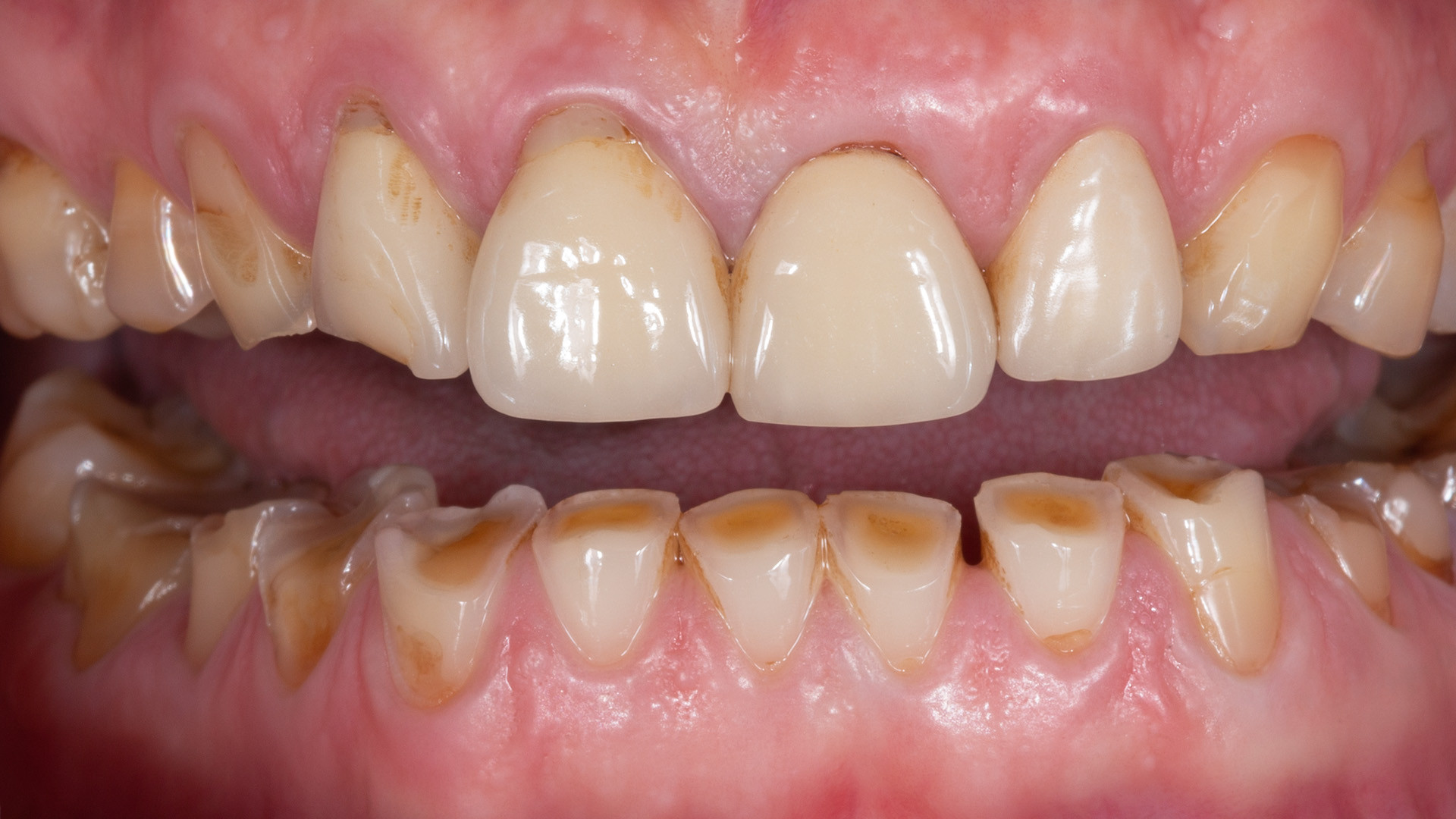
The patient, suffering from tooth grinding due to a parafunctional habit, required a full restoration to restore her smile. The planned restoration consisted of 28 monolithic single crowns milled with Prettau 3 Dispersive zirconia (Zirkonzahn).
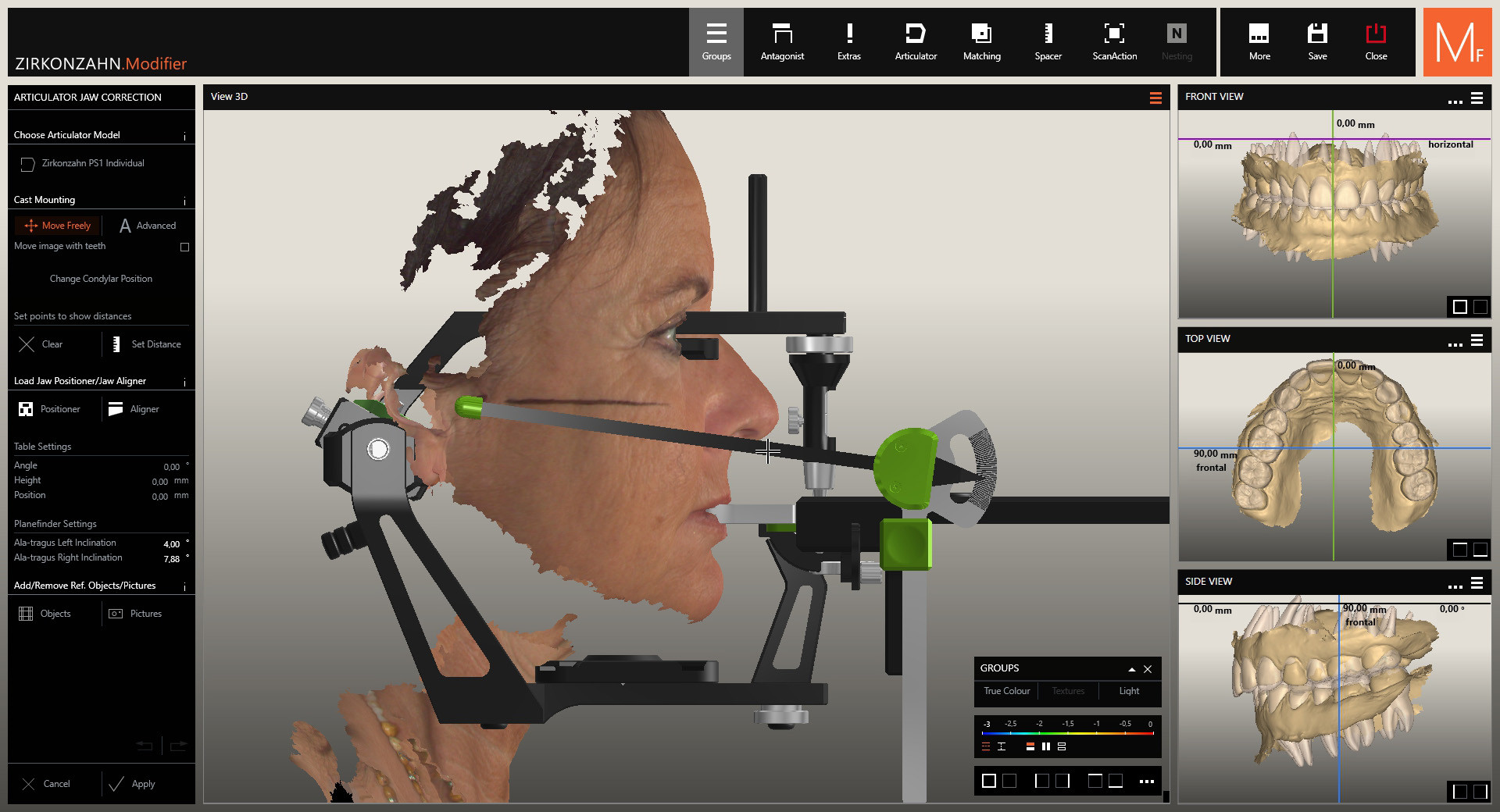
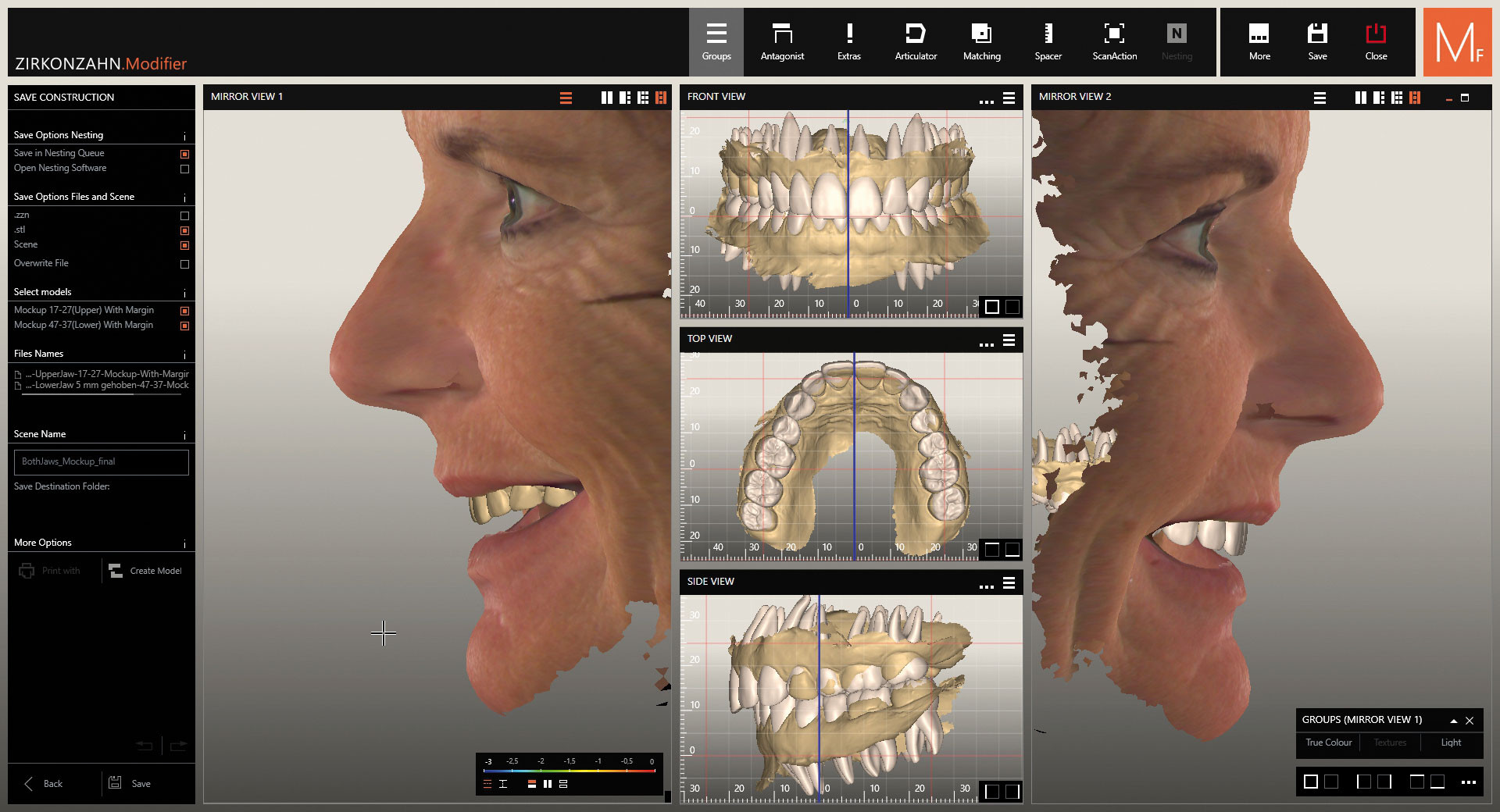
After the dentist accurately acquired digital patient data, the dental technician could design two mock-ups (mandible and maxilla), which were used to test functional, phonetic, and esthetic aspects of the patient’s mouth. The dentists then proceeded with a minimally invasive preparation of the tooth structure. This was followed by an additional intraoral scan of the clinical situation.
Further control steps were then carried out. First, 28 crowns were designed and milled from Exmon Basic Ray radiopaque resin to check the fit of the restoration in the patient’s mouth via X-rays. Temporaries were then fabricated, which were worn by the patient until the final zirconia restoration was inserted.
Production of wreaths
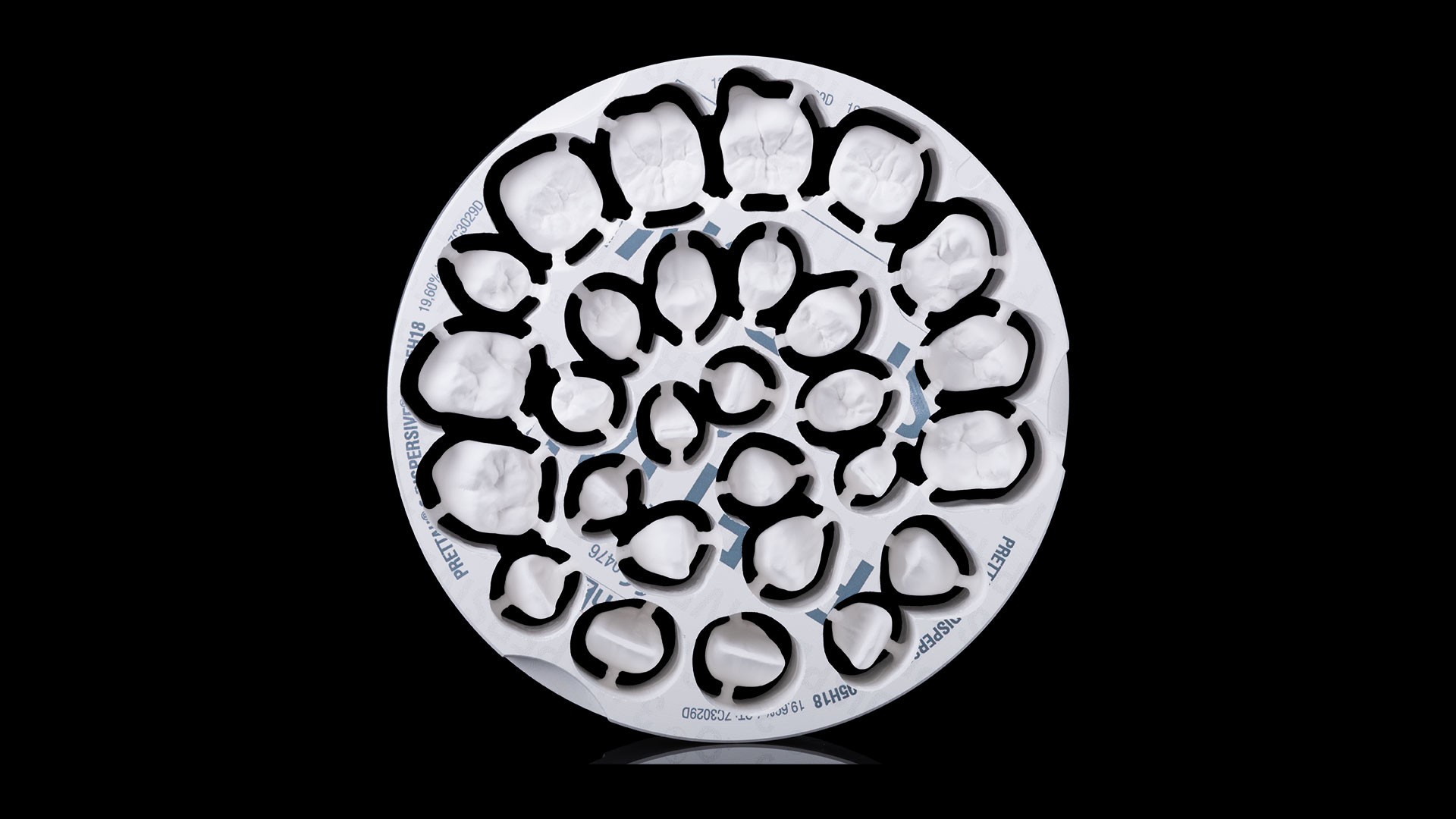
The dental technician designed the 28 final single crowns in Zirkonzahn.Modellier software. The design was based on the teeth setup previously performed on the Zirkonzahn.Modifier. The crowns were milled from a Prettau 3 Dispersive zirconia bur. This is already provided in the manufacturing process with a triple gradient of translucency, bending strength and natural color. The crowns were fabricated using the new M6 Telesoper Blank Changer milling unit and sintered in the Zirkonofen Turbo, using the sintering speed program for zirconia.
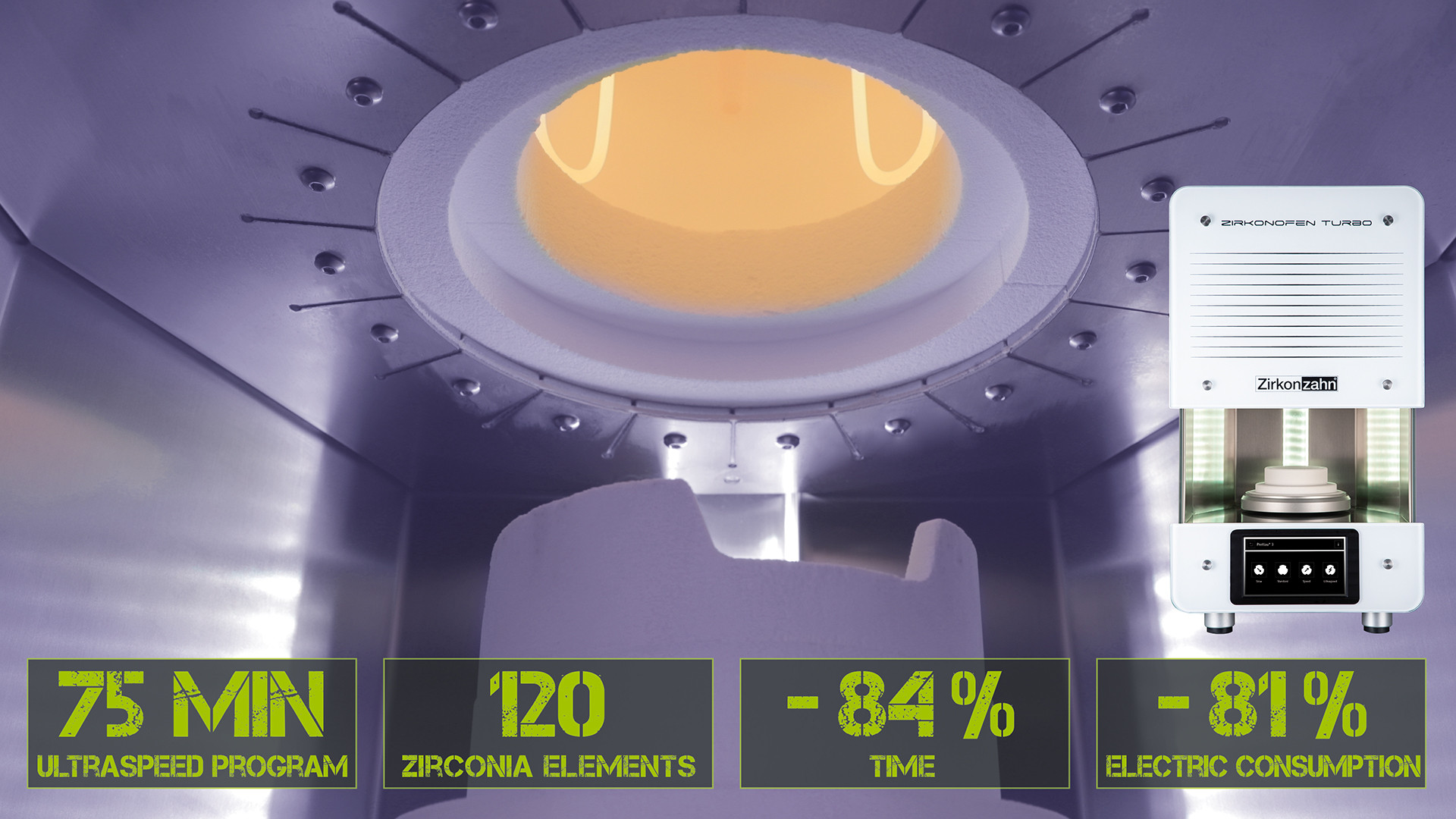
The Zirkonofen Turbo furnace, developed and produced by Zirkonzahn (South Tyrol) is particularly advantageous. It allows the fusion of smaller zirconia structures starting from 75 minutes. Compared to the standard program, the Ultraspeed program reduces sintering time by 84% and reduces electricity consumption by 81%.
In addition to the pre-installed Zirkonzahn sintering programs, the user can easily and quickly create individual programs directly on the furnace touch screen. As well as via the Zirkonzahn.App mobile application, which can also be used to remotely monitor the Zirkonofen Turbo. The round shape of the sintering chamber ensures optimal heat distribution and uniform sintering of all zirconium elements. Due to the large volume of 0.9 liters, up to 120 zirconia elements or up to three full arch bridges can be sintered simultaneously.
Finishing touches
Once the restoration application was approved, the single rims were characterized using Enrico Steger’s ICE Stains 3D, glazing material and fired in a single step thanks to the All-In-One technique. The single crowns were then lightly coated with Fresco Enamel Fluo in the vestibular tooth area and fired once more to slightly personalize the tooth form and achieve a natural surface structure.
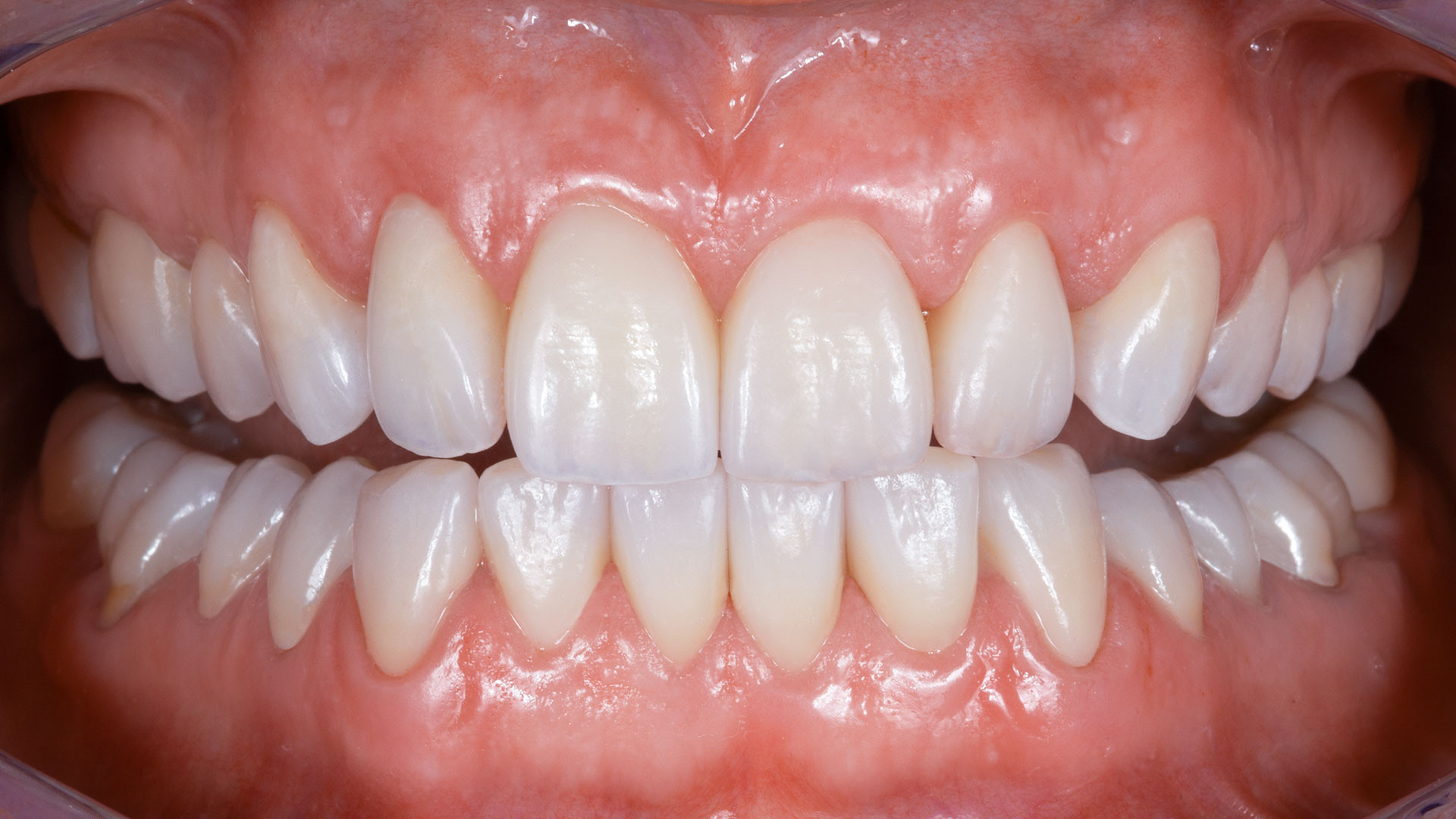
The final zirconia crowns were then delivered to the dentist and placed in the patient’s mouth. A functional and voice test confirmed the success of the treatment.
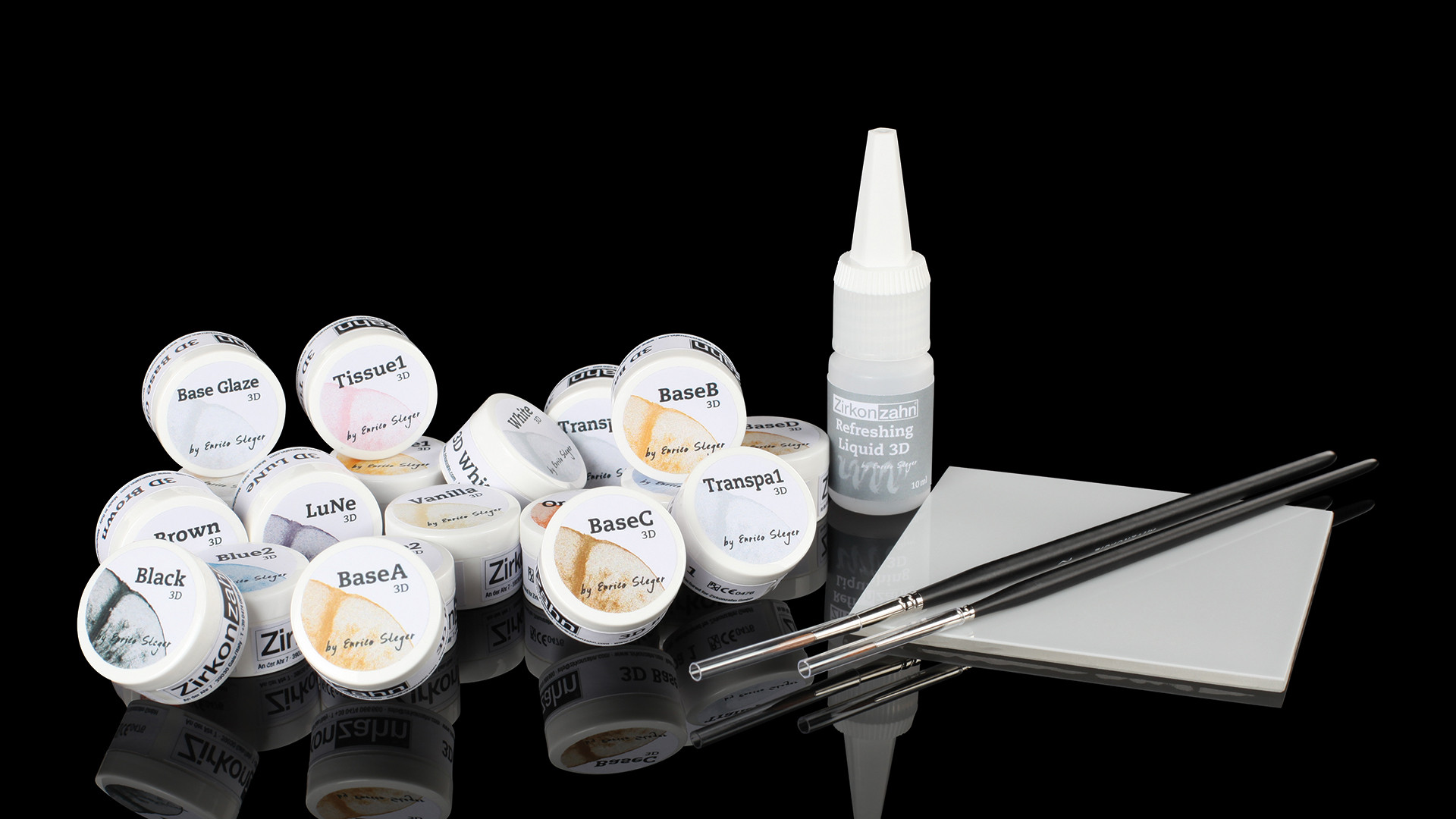
Enrico Steger’s ICE Stains 3D are 3D stain colors with a special depth effect for coloring full zirconia, ceramic and ceramic press surfaces. With the new ICE Stains 3D Blue Lightning shade, it is possible to characterize the cross-sectional area of zirconia restorations. Due to the high level of contrast and resulting color intensity, this shade can be applied very thinly and precisely. This reproduces a completely natural cut effect.
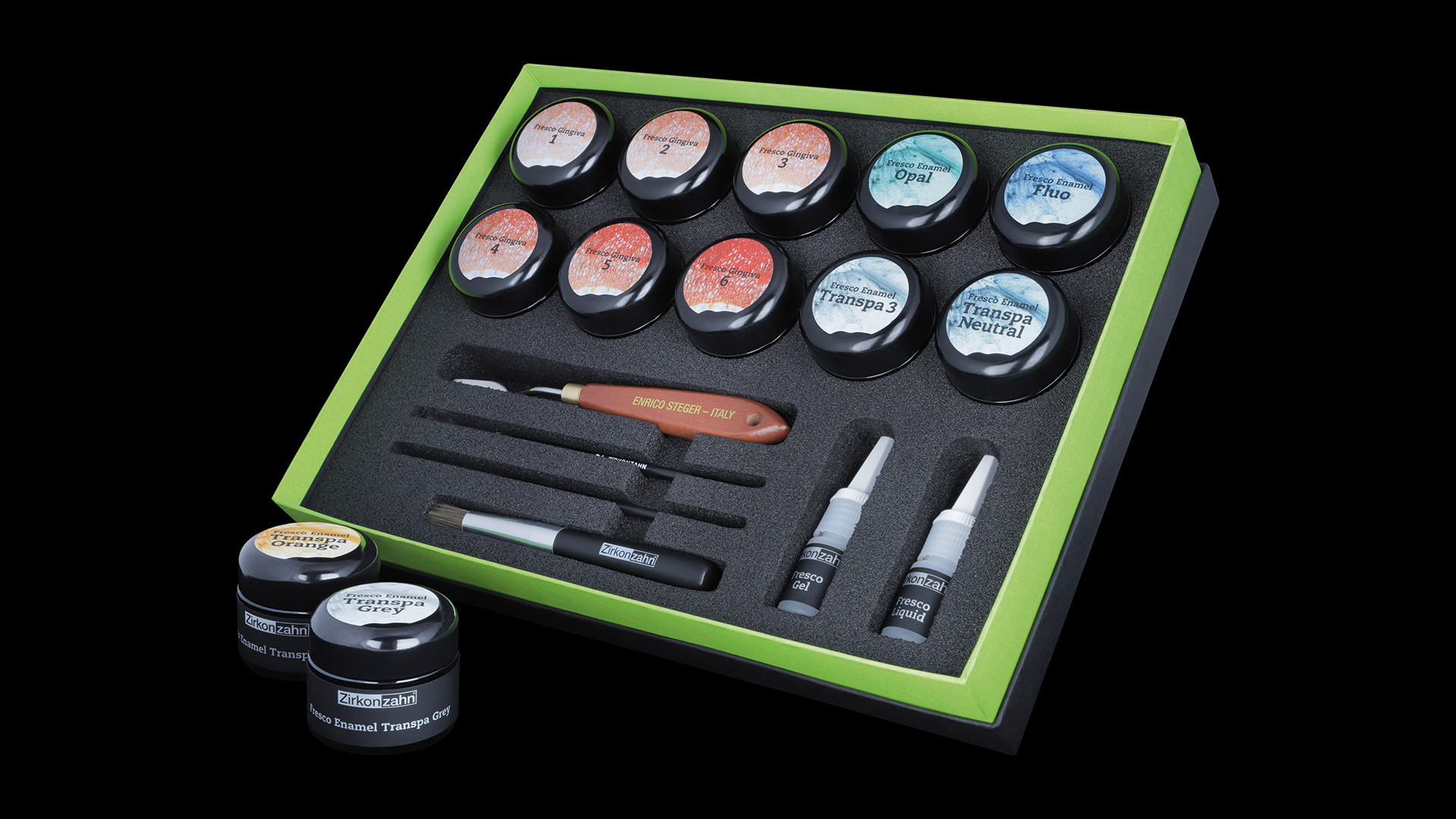
Fresco Ceramics, ceramic pastes for lining the gingival and vestibular areas, for monolithic as well as slightly reduced zirconia structures. With Fresco Enamel Fluo, a natural fluorescent effect can be achieved by applying a thin layer of product.
For more information, visit www.zirkonzahn.com.
