


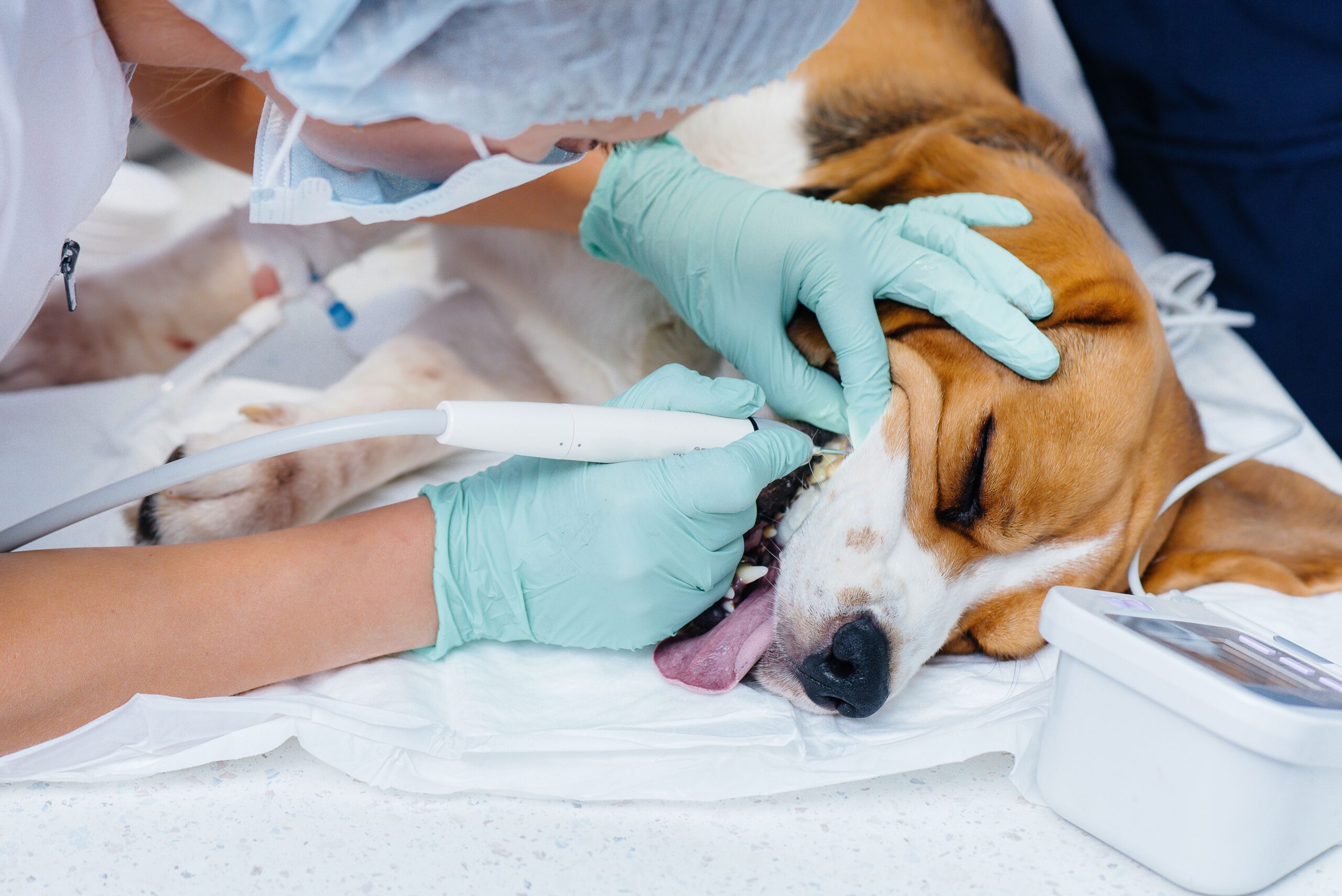
Lobprise: For mid-range periodontal disease with 25% to 50% attachment loss, we decide based on the tooth and the patient. We are less likely to spend time saving a small incisor than a canine or canine. If the patient has systemic disease, such as heart or kidney problems, the extra anesthesia time to save a tooth may not be in the pet’s best interest. Chronic inflammation from a problem tooth can worsen other conditions, so extraction can make the patient healthier. Customer preference and cost also influence the decision.
How often do you fight Dr Google and similar sources in dental cases?
Lobprise: Owners often research and bring ideas to the clinic. By the time they get to a specialist, they usually already know there’s a problem because their GP has identified it. Education is the key. Explain that dental disease is continuous, often below the gum line, and requires professional care under general anesthesia. Quick cosmetic fixes and non-anesthetic cleanings do not address the true disease.
What can general practitioners do before referring a dental case to a specialist?
Lobprise: Continue to educate clients about the progressive nature of dental disease and why professional care is necessary. Perform appropriate diagnoses when possible and stabilize systemic problems so patients are in the best possible condition for referral. Explain the risks and benefits clearly so owners understand the reasons for the treatment.
How do you frame the oral-systemic connection for clients?
Lobprise: Emphasize that chronic oral inflammation is likely driving much of the systemic impact we see. Historically we talked about bacteria entering the bloodstream. We are now focusing more on how chronic sterile inflammation from dental disease can accelerate aging and affect multiple organs. Explain that treating oral inflammation can reduce this systemic inflammatory burden and improve overall health.
What practical advice do you have for feline stomatitis and tooth resorption?
Lobprise: For severe stomatitis, we often recommend whole-mouth extractions because inflammation and ulceration seriously affect quality of life. Tooth resorption is common and can be painful when the damage reaches the crown. Treatment depends on the case and extractions are done selectively when absorption causes discomfort.
How do you approach anesthesia and analgesia for elderly dental patients?
Lobprise: Elderly patients need careful workup and stabilization of comorbidities so they can tolerate general anesthesia. Often dental surgery in the elderly treats chronic inflammation that damages other organ systems. We balance risk and benefit, and when possible, removing oral inflammation can significantly improve how a patient feels in 2 weeks.
To read more news and see expert insights from Fetch Long Beach, visit dvm360of the dedicated website for conference coverage at
