


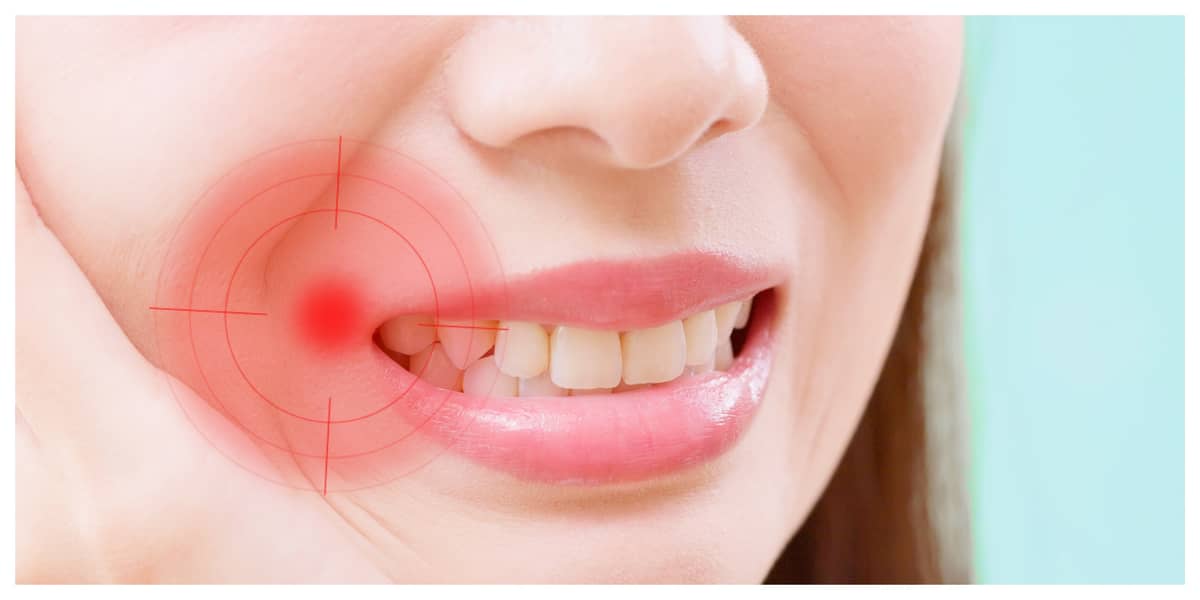
Gum disease (periodontitis) can be a silent killer of oral health. But did you know they can affect more than just your oral health? The entire body works as a single machine. A defective part A can affect parts Y and O. A person’s overall well-being is closely related to dental health. Chronic gum disease can cause uncontrolled diabetes, poor gut health, sudden heart attacks, dementia and more.
There are about 30 trillion human cells in each human body, but our microbiome is estimated to be 39 trillion microbial cells, including bacteria, viruses and fungi that live on and in us. These microbial cells inhabit almost all parts of our body, from head to toe. The areas that have the highest number of microbial cells are the mouth and gut microbiomes.
Gingivitis (which usually appears as bleeding gums) is an early-stage infection of the gum line caused by the bacteria that naturally live there and cause irritation.
Periodontitis is a more advanced stage of gingivitis. It is a severe form of gingivitis that only develops if you have had gingivitis for a very long time. If left untreated, it can eventually lead to other dental and jaw problems, such as loose teeth, difficulty chewing, bad breath, and a change in the alignment of the teeth.
Symptoms of gum disease include redness, swelling, tenderness, bleeding when brushing or flossing, a shiny gum surface, and bad breath.
A case study
Mrs. Biswas was reluctant to laugh with her friends. The bad breath problem got worse with time. Although she had decent eating habits, drank enough water and added citrus foods to her diet, nothing seemed to change. Despite a recent teeth cleaning appointment, the bad breath persisted. Looking for ways, he visited us. We met Mrs. Biswas at her lowest point, when she was in despair and almost afraid to speak or laugh in public. On examination, we diagnosed advanced gingivitis that was exacerbated by her uncontrolled blood sugar levels (type 2 diabetes). With medical clearance from her diabetologist, we sequentially treated her gum disease with dental lasers, deep cleanings, and home care. No doubt, in time, her bad breath was gone and her sugar levels were under control. He also follows a diligent blood sugar control program.
Effect on Health
Humans live in symbiosis with millions of bacteria. Under control, these bacteria are not harmful. However, if you don’t take good care of your teeth, plaque and tartar can build up, allowing bacteria to grow out of control. Certain medical conditions such as diabetes, autoimmune diseases, hormonal changes, pregnancy, stress and heart problems can make gum disease worse.
The overload of bacteria begins to produce toxins that cause inflammation in the body. As gum inflammation worsens, you may experience bleeding gums, discomfort and sensitive gums (gingivitis), cavities, toothache, bad taste and bad breath (halitosis). This excess bacteria can cause a process known as “bacteremia,” in which germs enter your saliva. They can eventually travel from saliva through your bloodstream to other parts of the body, including your heart, gut, and lungs.
Long-term RISK
Medical problems can affect dental health and vice versa. In fact, the mouth can be a resource for early diagnosis of other medical issues. Let’s take a look at some common health conditions.
Heart health: A study revealed that periodontitis is a risk factor for coronary artery disease (CAD) which includes angina (mild heart pain), heart attack, stroke and other peripheral vascular problems such as high blood pressure. Gum disease was found to increase the risk of heart problems by 19%. Also, people with prolonged gingivitis have a greater risk of developing heart problems as they age.
Mental health and cognitive functions: Dementia (memory loss issues) is thought to be caused by three factors — ongoing inflammation, free radical stress, and toxins. And periodontitis is chronic inflammation of the gums. For similar reasons, gum problems have also been linked to poor cognitive function, including learning, thinking, reasoning, memory, problem solving, decision making, and concentration, among others. The bacterium Porphyromonas gingivalis, which destroys gum tissue – and the enzyme it produces, known as gingipains – are specifically linked to Alzheimer’s disease, as both were discovered in the brain tissue of Alzheimer’s sufferers.
Gut Health: Gingivitis leads to the increased presence of harmful oral bacteria in the mouth. When these harmful bacteria build up, they are then ingested and travel to the stomach as you eat, drink and swallow saliva.
Diabetes: Diabetes and periodontitis have a two-way relationship. Studies have identified periodontitis as linked to insulin resistance, a chronic condition implicated in metabolic disease and type 2 diabetes. Diabetics should also watch out because the disease can cause blood vessels to thicken, reducing blood flow to the gums and bones. This can weaken the gums and bones, making them more susceptible to infection. Also, high blood sugar levels promote the growth of bacteria in the mouth and lead to gum disease. In addition, both diabetes and certain diabetes medications can reduce saliva production and increase the risk of tooth decay and other oral problems.
Kidney disease: Gum therapy has been shown to improve outcomes in people with kidney problems. A recent study showed that a 10 percent increase in gum inflammation reduces kidney function by 3 percent. In this group of patients, a 3 percent deterioration in kidney function would translate into a 32-34 percent increase in the risk of kidney failure over a five-year period.
Pulmonary disease: Patients with chronic obstructive pulmonary disease (COPD) are at higher risk of developing periodontitis. Studies have shown that oral and periodontal bacteria have been found in bacterial pneumonia. Periodontal disease has also been linked to lung problems such as emphysema, bronchitis and COPD.
Cancer: According to newer research, periodontal disease increases the risk of cancer, with the chances of tongue cancer increasing 5.23 times with every millimeter of tooth-supporting jawbone lost.
Preventive steps
Modern research has come a long way to prove that good gum conditions are the foundation of good oral health. The mouth is the door for nutrition and water to the body. Of course, a dirty door (the mouth) leads to an unhealthy house (the body). The following preventive measures can help.
Brushing and mouthwash: Brush your teeth twice a day with fluoride toothpaste and floss daily to remove plaque and debris. Using mouthwash for two to four weeks is fine, but long-term use can stain the teeth and affect the sense of taste.
Superfloss and water floss: These are special dental flosses that are used under an artificial dental bridge in the mouth. Water flossing is an effective treatment to replace traditional flossing for both normal and artificially fixed teeth.
Visit a dentist: Have regular dental exams and cleanings, at least once a year. If you have symptoms, you should visit the dentist more often.
Quit smoking: Smoking weakens your immune system and makes it harder to fight gum infections.
Manage diabetes: If you have diabetes, manage it to reduce your risk of gingivitis.
Choose better foods: Eat a balanced diet rich in fruits, vegetables, whole grains, and probiotic-rich foods to nourish the beneficial bacteria.
Limit sugary foods and drinks: Avoid foods and drinks with too much sugar and alcohol. After eating sugary foods, you can rinse your mouth with water or brush your teeth to help wash away the sugar.
Get enough vitamin C: Vitamin C deficiency is the leading cause of gum disease. You can get vitamin C from fruit, but you should watch the sugars in it.
Use a toothbrush with soft bristles: Use a toothbrush with a small head and soft bristles. Brushing technique is more important than the type of toothpaste used.
Clean dentures: If you have dentures, clean them every day.
Early forms of gingivitis, such as gingivitis, can be treated with a healthy oral hygiene routine and regular dental cleanings.
Images: istock
Dr Kamlesh Kothari, MDS, DNB, DICOI, is a dental implant specialist, cosmetic dentist and maxillofacial surgeon and founder of Aesthetica, 2/7 Sarat Bose Road. He can be reached at 9830183000, +913340035900, www.aesthetica.co.in and @drkamleshkothari on Instagram. Send your questions to [email protected]
