


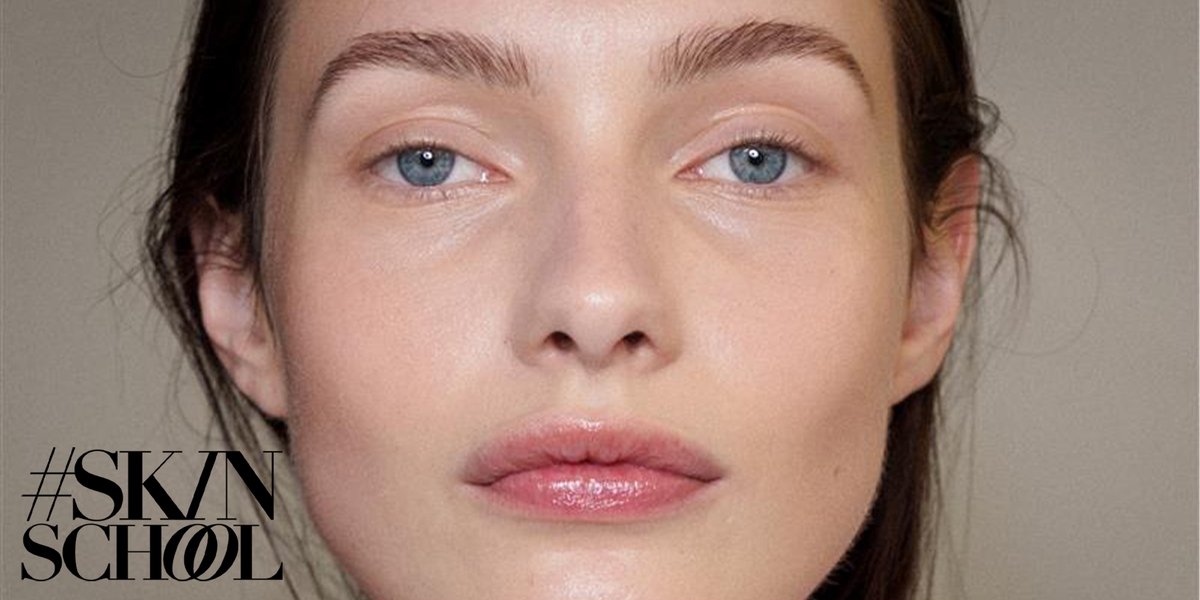
Cast your mind back to the old beauty treatments. Wrinkle relaxers like Botox pushed back expression lines in seconds. Dermal filler was filled to improve facial symmetry and rhinoplasty was designed to remove, hide and cover, although often at the expense of your skin’s health.
Fast forward to today and a new wave of injectables is shaking up the optimization industry, moving away from the corrective approach and focusing on boosting collagen and overall skin health – without the downtime and downsides. The goal of these next-generation treatments is simply to address volume, luminosity and collagen loss at the root cause, not to artificially enhance the skin.
And while “regenerative aesthetics” may not necessarily be new to the world of enhancements, they speak to a growing trend where the quest for long-term skin health is the ultimate aesthetic goal. Ahead, top estheticians break down the rise of regenerative injectables, what this shift means for the industry, and the most innovative treatments to try.
What is “regenerative” aesthetics?
“Regenerative aesthetics refers to a treatment that helps to ‘regenerate’ the skin as opposed to paralyzing the muscles or adding inert bulk to the skin,” says Dr Sarah Tonks, leading aesthetic practitioner. “Instead of an ‘artificial’ aesthetic, they stimulate the body’s own regenerative and restorative mechanisms to restore skin health and vitality naturally.”
If you’re wondering why these treatments are now coming to the fore, there’s a direct link between our collective fascination with our skin and overall health. “People are more concerned about skin health now than ever before. There’s a real understanding that having great skin goes beyond surface-level shine, and makeup trends favoring a more minimalist aesthetic are also helping change,” she explains.
These skin enhancers have now been superseded by dermal fillers, with PEF, polynucleotides and exosomes leading the conversation. Dr. Ali Ghanem, leading cosmetic physician and plastic surgeon, agrees: “Patients are increasingly looking for longevity, prevention and natural results beyond temporary camouflage or over-correction. The complications of fillers such as cushioning, loss of definition and migration have also contributed to this awakening towards natural regenerative aesthetics. We are now witnessing the emergence of regenerative and appearance-enhancing well-being and long-term rejuvenation of the skin”.
The most innovative regenerative treatments you must try
JULY
A new skin enhancer and called a next-generation skin bioactivator based on PLLA (poly-L-lactic acid), Julaine is rapidly gaining popularity in the field of aesthetics. This collagen-stimulating injectable works by activating cellular repair processes and encouraging the skin to support its own structure and build elastin. “You can use it in so many areas you wouldn’t expect, like around the eyes, hairline, neck, chest, arms, body, décolleté and it’s suitable for all skin types,” says Dr Tonks.
“This treatment reduces inflammation in the skin, so it’s great for people with acne and scarring, rosacea and melasma. There’s a real appetite among patients for a product that can do many things in one go – lifting, skin quality, hydration, fine lines – and it does it all,” she adds.

Polynucleotides
Polynucleotides, known as the “face of salmon sperm,” have been on the rise in the last year and continue to dominate the conversation surrounding regenerative injectables. “Polynucleotides are a natural injectable therapy,” says Dr. Ash Soni, a trained plastic and reconstructive surgeon and founder of The Soni Clinic. “They are often derived from salmon DNA and are used to stimulate our own cells to produce some of the things we lose with ageing.”
These biostimulants help improve your skin and tissues at a deeper, cellular level. “Polynucleotides are still very popular in the UK because of their biostimulatory properties; they help stimulate your fibroblasts to produce more collagen which is their main mode of operation. They also improve blood flow and pigmentation,” adds the esthetician. Dr. Christine Hall.

Autologous exosomes
Autologous exosomes are signaling molecules derived from your own cells, and the treatments can produce dramatic results in skin and hair rejuvenation. “They act as messengers that stimulate repair, reduce inflammation, and boost collagen production, making them a powerful tool for improving skin texture and overall skin health,” says Dr. Ghanem.
Dr Hall adds: “Each of our cells contains exosomes and will release them as messengers to other cells. They tell other cells to repair themselves and when used in conjunction with other treatments such as microneedling or radiofrequency, they have been shown to improve downtime and recovery.
Biostimulatory peptides
“These peptides are engineered to activate the skin’s natural rebuilding processes. They encourage the formation of fresh collagen and elastin, gradually strengthening the skin and improving firmness over time,” reveals Dr. Ghanem.
PRF
“PRF, or platelet-rich fibrin, is the most natural regenerative concentrate available. It is created from your own blood without additives and slowly releases growth factors, supporting healing, strengthening collagen and improving overall tissue quality,” adds Dr. Ghanem. The number of treatments required will vary (from around 4-6) and you will notice gradual results that can last anywhere from 6 to 18 months.
“Used alone, each of these treatments delivers targeted rejuvenation. When combined, they create a multi-layered regenerative effect that amplifies results and supports longer-lasting results,” she shares.
