


YOU MUST KNOW
- Teens as young as 15 seek help for botox and filler procedures gone wrong
- The Scottish Government has proposed legislation to put an age limit on these cosmetic procedures, in addition to stricter rules on them
- PEOPLE spoke to two board-certified dermatologists and a board-certified plastic surgeon about the issue
Should there be an age limit on cosmetic surgery?
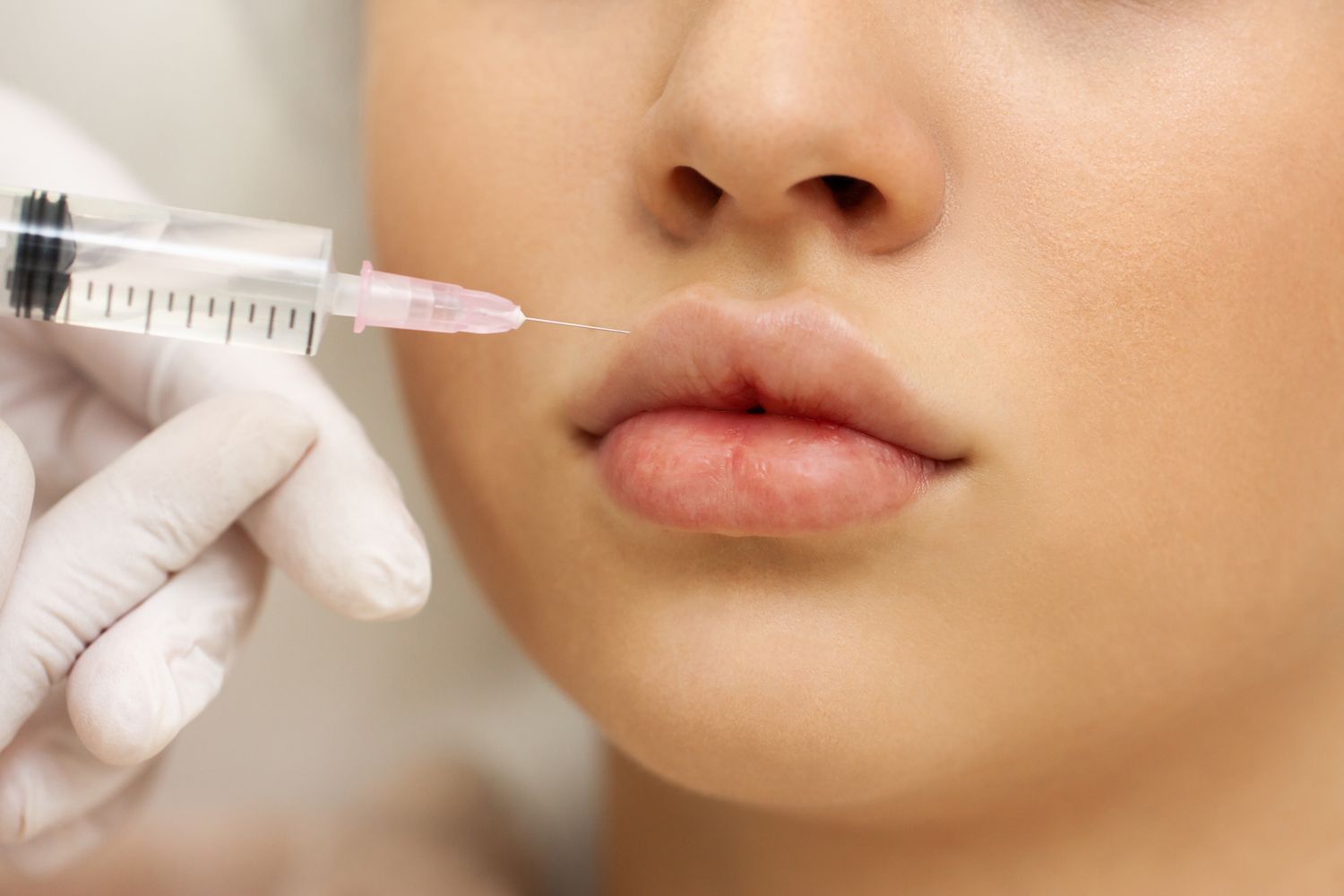
The Scottish Government believes so, said the BBCafter proposing legislation to make non-surgical treatments illegal for people under 18 and to require procedures to be carried out in approved locations.
Teenagers as young as 15 are calling for help after Botox and filler treatments gone wrong, according to a charity. Advice Direct Scotland (ADS) says it is calling for tougher rules on cosmetic surgery after receiving hundreds of complaints.
ADS, Scotland’s largest independent digital advice service, told Members of the Scottish Parliament (MSPs) scrutinizing the proposals that it had seen 430 problematic cases over the past two years, which left customers £192,000 (about $257,013) out of pocket.
Getty
“We have received complaints about some professionals injecting dermal fillers and botox on clients as young as 15,” the charity said in its submission to Holyrood’s Health, Social Care and Sport Committee, a key legislative body of the Scottish Parliament.
“We also received reports of some dealers injecting from their homes and public locations,” the proposal said.
The agency added that Scotland is the worst European country for unqualified beauticians injecting clients with cosmetic treatments, the BBC reported.
One case reported an additional charge for a facial filler procedure that the customer did not initially request. and after treatment, there were negative effects such as large swelling and fluid accumulation under their eyes.
Getty
“Despite experiencing significant pain, investing significant time, and paying for a procedure they were unhappy with, they found few mechanisms to hold estheticians accountable,” ADS wrote.
“The absence of a robust industry-wide complaints or redress system meant that their options were largely limited to informal resolution,” the agency added.
While ADS supports the new legislation, it wants the Non-Surgical Procedures and Functions of Medical Reviewers (Scotland) Bill to be tightened to help protect consumers.
The organization also wants to increase public awareness of the issue and guidance for parents and guardians navigating these cosmetic decisions with their teens — especially when there’s so much uninformed information on social media.
Getty
While the Scottish Government is calling for age restrictions on the aforementioned cosmetic procedures, Dr. Helen Marmurcertified dermatologist and its founder MMS skincaretells PEOPLE exclusively that “there is no single ‘right’ age to start toxins or fillers.”
“It really depends on the individual’s skin, genetics and aesthetic goals,” she explains.
Dr. Marmur cites studies showing that younger people “want body-contouring toxins, like trapezius slimming Barbie Tox to give a longer neck and less rounded shoulders, or massage toxin to slim the jawline and prevent teeth grinding,” she shares.
He says fillers, meanwhile, are usually introduced later.
“Often in their mid-30s to 40s, when volume loss becomes more noticeable, young patients seek fillers to enhance congenital facial asymmetries,” she says, explaining, “Like if one cheekbone is noticeably higher than the other, or deep hollows under the eyes.”
Dr. Marmur says she doesn’t see many high school students in her office looking for fillers, but she shares that her high school students tell her about their friends who are getting lip fillers. He notes that fillers to enhance the jaw, chin and lips are most popular with college-age students.
He emphasizes, “The goal should always be to strengthen and restore, not overcorrect, and treatments should be tailored to the patient, not their age.”
Getty
Dr. Sachin M. ShridharaniMD, board certified plastic surgeon and founder of Luxurytells PEOPLE that she’s also seeing a younger crowd interested in “minimally invasive” procedures like dermal fillers, accentuating the jawline or slightly fuller lips.
“And now also on the regeneration side comes the use of advanced skin care products or micro-acupuncture with these products like the salmon sperm facial,” she adds. “These are the types of things that seem to be attractive and popular right now with younger demographics.”
Never miss a story — sign up for PEOPLE’s free daily newsletter to stay up-to-date on the best PEOPLE has to offer, from celebrity news to compelling human interest stories.
Dr. Hallie McDonaldboard certified dermatologist and co-founder EARLYtells PEOPLE that “fillers are usually introduced later and should be used conservatively, only when there is actual volume loss or structural change.”
“In my own practice, I am a conservative filler and prefer to replace volume lost through the aging process rather than augment or alter one’s natural anatomy,” she shares. “Aiming should always be subtle, balanced and personalized.”
Her advice?
Getty
“First, make sure they’re properly trained and licensed, ideally a board-certified dermatologist or plastic surgeon, or a very experienced injector who works directly under one. You should never haggle over injectables and have experience issues,” says Dr. McDonald.
“Patients should feel comfortable asking how long they’ve been injecting, what products they’re using, and why a particular treatment is recommended,” she shares. “A good injector will prioritize facial anatomy, safety and containment and never pressure someone into treatment.”
Dr. MacDonald warns, “If a consultation feels rushed or salesy, that’s a red flag.”
Social media should be consumed with caution, warns Dr. Marmur.
“It looks simple on Instagram and TikTok, like painting by numbers — but a lot of these popular videos show poor technique or misinformed injectors,” he says. “Patients should seek out a board-certified dermatologist, plastic surgeon, or a highly trained injector working under medical supervision with excellent knowledge of anatomy and years of experience.”
She suggests, “The best sites are AAD.org and ASDS.edu for their physicians.
