


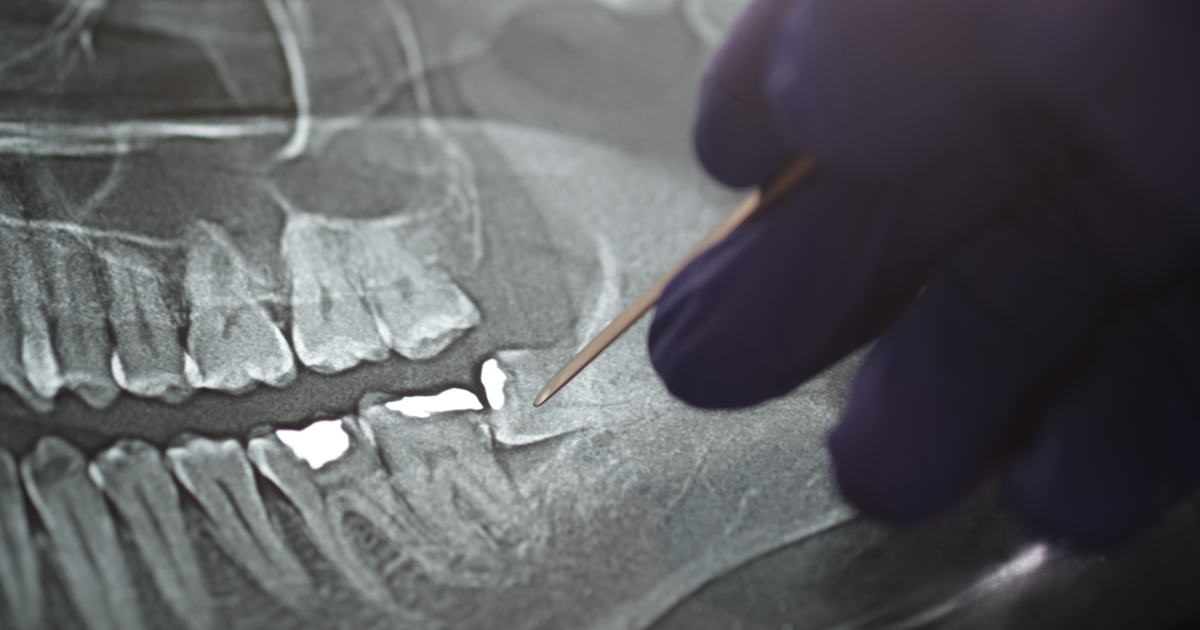
LONDON and LUSAKA—The use of mercury, a key ingredient in dental fillings for more than 150 years and a potent source of environmental pollution, will be phased out globally by 2034 following a landmark agreement reached at COP6 in November.
The 153 parties to the Minamata Convention on mercury approved the decision during COP6 in Geneva in early November. While around 50 countries, including all EU member states, have already phased out dental amalgam – a material made of liquid mercury and silver – many others, including the US, still allow it, despite concerns about mercury’s potential health risks and harmful effects on the environment.
But delayed approvals from key players including the US, Brazil and the WHO helped secure the deal. US Health and Human Services Secretary Robert F. Kennedy Jr., an environmental lawyer, reversed the long-standing US position on mercury.
“Why do we call it dangerous in batteries, over-the-counter drugs and makeup – but acceptable in vaccines and dental fillings?” he asked in a video address at the opening of COP6 on November 3.
Mercury from dental fillings enters the environment primarily through crematory emissions, which release vaporized metal from amalgam fillings into the air—eventually settling on land or washing into rivers and oceans. WHO has warned that just 0.6 grams of mercury – the average amount in a single refill – can contaminate 100,000 liters of water, enough to fill a swimming pool, making it unsafe to drink, as GHN noted in a June article on Zambia’s efforts to ban mercury amalgam fillings.
Exhibition 2017 estimated that mercury amalgam fillings had released 1,297 kilograms of mercury into the Zambian environment.
“The decision has excited me and the dental fraternity,” says Gabriel Mpundu, MD, a dental surgeon and president of the Zambia Dental Association. “The environment will be safer when all mercury-based products are completely eliminated.”
The COP6 agreement is a “historic decision”, says Florian Schulze, head of the European Network for Environmental Medicine, which monitors nations’ progress under the Minamata Convention. Along with the change in the US position, he told GHN, pressure had increased as “many countries had already demonstrated that alternatives are effective, efficient and affordable”.
Some of the countries that had already banned mercury amalgam, for example, have adopted environmentally friendly alternatives, such as composite resins and glass ionomer cements that some studies suggest they are equally durableand perhaps cheaper when factoring the environmental cost.
The EU banned dental amalgam in January and African countries including Tanzania, Uganda and Gabon have successfully implemented bans, while Mozambique has banned its use in public programs. African countries led efforts to amend the Minamata Convention, Schulze noted, and aimed to set an even earlier deadline – 2030 – to phase out mercury amalgam, arguing that they lacked the facilities to safely manage mercury waste.
Britain, along with Iran and India, opposed a 2030 phase-out, saying it was too soon. The British Dental Association had previously argued that no other material was as easy to use or as long-lasting as mercury amalgam. The club estimated to take nine years for the development of alternative solutions and the implementation of prevention policies.
The Guardian reported in October that more than 98% of fish and mussels tested in English rivers and coastal waters contained mercury above EU recommended safety limits, citing analysis by the Rivers Trust and Wildlife Countryside Link.
Countries that have not yet phased out dental amalgam must submit a progress report or national phase-out plan by December 31, 2027. Parties to the Minamata Convention will also work together to reduce the availability of mercury cosmetics.
The new agreement also includes an exemption allowing dentists to use amalgam “when its use is deemed necessary based on the needs of the patient”, reflecting joint advocacy by the FDI World Dental Federation (FDI) and the International Association for Dental, Oral and Craniofacial Research (IADR).
At COP6, the decision to phase out dental amalgam was met with cheers and applause, capping years of debate in what many nations are calling a victory for both human health and the planet.
Ed. Note: This article is a continuation of it Zambia Drags Heels on Mercury Amalgam Banalso by Kennedy Phiri and Freddie Clayton. The idea for the story came from Michael Musenga, an environmental health professional at the Children’s Environmental Health Foundation in Livingstone, Zambia. Musenga won an honorable mention for his entry, “Making Zambia a Dental Amalgam-Free Country” in the Untold Global Health Stories competition, co-sponsored by Global Health NOW and the Universities Consortium for Global Health.
Join the 50,000+ subscribers in 170+ countries who rely on Global Health NOW’s summaries and exclusive articles on the latest public health news. Sign up for this week’s free newsletterand share the link with friends and colleagues.
