


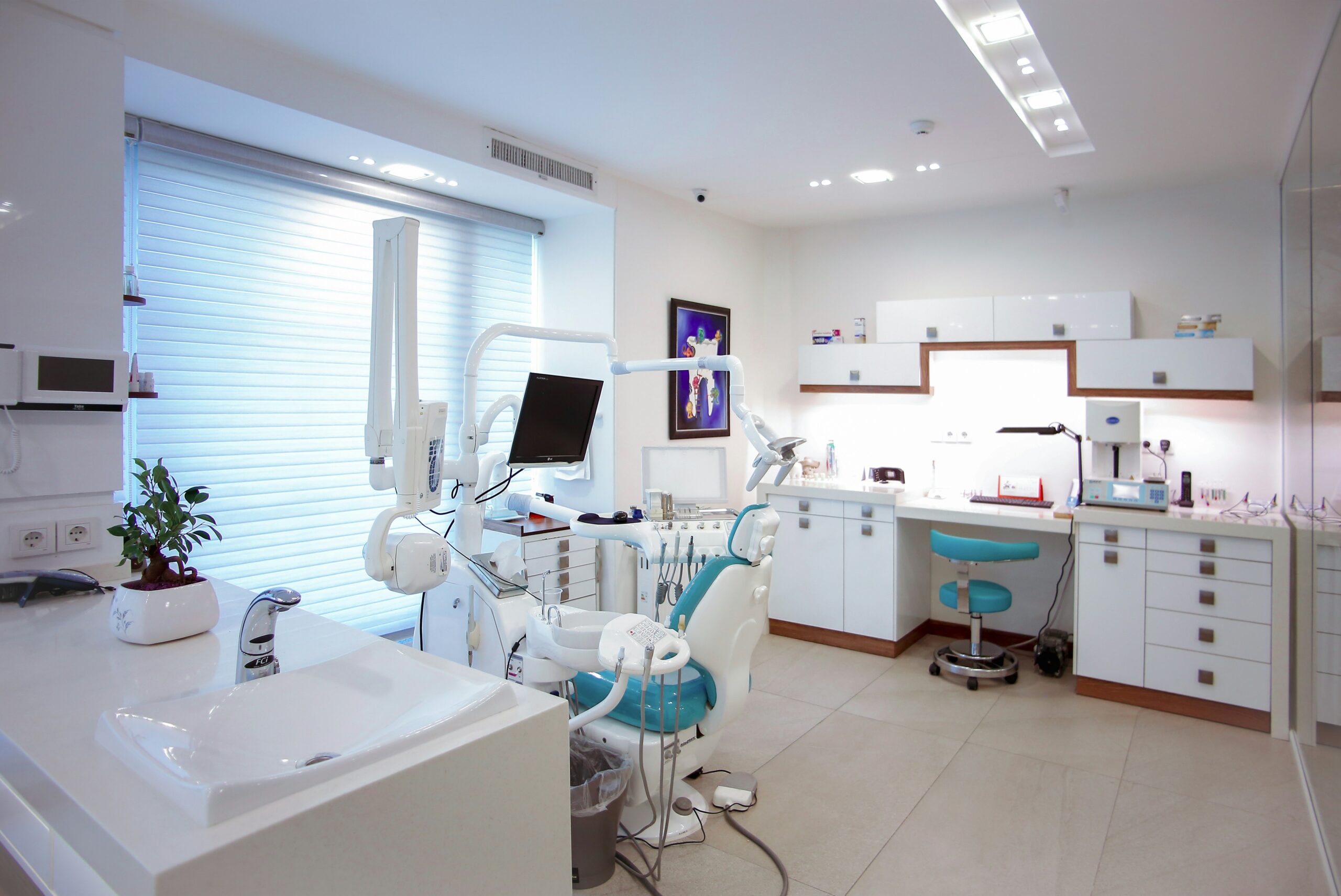
Dentistry has always been a field of precision, where even the smallest improvement in technique or technology can have a significant impact on patient outcomes. Since its introduction dental x-rays due to the widespread use of implants, the industry is steadily embracing innovation. Today, the most significant transformation is due to 3D printing. What was once considered science fiction now enables dentists to produce crowns, bridges, aligners, dentures and even surgical guides in a fraction of the time it once took, redefining the standard of patient care.
What is 3D printing in Dentistry?
3D printing, also known as additive manufacturing, is a process that creates objects layer by layer from a digital design. In dentistry, the process begins with an intraoral scanner that captures detailed digital impressions of the patient’s mouth. These impressions are then converted into 3D models, which serve as blueprints for restorations or appliances. Using biocompatible resins, ceramics or polymers, a dental 3D printer can create precise, patient-specific appliances quickly and efficiently.
The advantage of speed: Same day solutions
Traditionally, dental restorations involved multiple steps, including making impressions, sending them to a lab, fabricating the restorations, and waiting weeks for the results. Patients often had to rely on temporary solutions during this time. With 3D printing, many procedures can be completed in a single visit. Same-day crowns and bridges are now possible, drastically reducing wait times and eliminating the hassle of multiple appointments. This speed improves both clinic efficiency and patient comfort.
Precision and personalization every step of the way
Every patient’s smile is unique and restorations should reflect that individuality. 3D printing offers unparalleled precision by working directly from digital scans. Crowns, dentures and aligners can be adjusted to perfectly fit the patient’s anatomy, reducing the need for adjustments. This adjustment not only improves comfort and function, but also ensures more natural results. Patients leave with restorations that blend seamlessly with their smile.
Basic applications of 3D printing in Dentistry
The scope of 3D printing in dentistry is vast and continues to expand. Some of the most impressive applications include:
- Crowns and bridges: Durable and esthetic restorations printed in hours instead of weeks.
- Surgical Implant Guides: Printed guides ensure accurate implant placement, reducing complications.
- Dentures: Complete or partial dentures can now be produced faster and more accurately.
- Educational models: Dentists use 3D printed replicas of teeth and jaws for patient training and surgical planning.
Biocompatible materials for long-term restorations
The effectiveness of 3D printing in dentistry depends on the materials used. Dental-grade resins, ceramics and polymers are designed to mimic the appearance and function of natural teeth while being safe and durable. These materials are wear and stain resistant, ensuring longevity. Emerging research is exploring bioactive materials that could stimulate bone or tissue regeneration, paving the way for even more advanced repair capabilities.
Cost savings for clinics and patients
While dental 3D printers represent a significant initial investment, they reduce costs in the long run. By eliminating the need for third-party labs and dispatch, practices can reduce overhead and streamline workflows. For patients, this often means more affordable treatments without compromising quality. As technology becomes more affordable, it is expected to make advanced dental care affordable for a wider population.
Enhancing patient comfort and confidence
Many patients fear traditional dental impressions, which involve trays filled with putty-like materials. 3D scanning replaces this step with a fast, comfortable and highly accurate process. Combined with the ability to provide same-day restorations, patients experience less stress and disruption. Digital previews of treatment results also allow patients to visualize their new smiles, giving them added confidence before the procedure begins.
Challenges and Limitations of 3D Printing in Dentistry
Despite its promise, 3D printing in dentistry presents many challenges. The high cost of equipment and training may prevent smaller practices from adopting these technologies. Strict regulations ensure patient safety, but can also slow the adoption of new materials. Additionally, while 3D printers can produce restorations, the expertise of dental professionals remains essential to ensure accurate diagnoses and proper fit. Technology is a powerful tool, but it cannot replace the skill and judgment of experienced dentists.
The future of 3D printing in dental care
Looking ahead, the potential of 3D printing in dentistry is enormous. Researchers are working on bio-printing teeth using living cells, a development that could make it possible to regenerate natural teeth instead of replacing them with synthetic ones. Integration with artificial intelligence (AI) is likely to improve design accuracy and efficiency by automating certain aspects of the processing process. The future may also include portable 3D printers, which could enable dental care in remote or underserved areas.
A new era with smiles
3D printing is ushering in a new era of dental care—an era defined by speed, accuracy, affordability, and patient-centered solutions. From same-day crowns to highly customized aligners, technology is already transforming smiles around the world. While challenges remain, the direction is clear: dentistry is becoming increasingly digital, precise and efficient. As 3D printing continues to advance, it promises to not only replace missing teeth, but to revolutionize the way we think about oral health and patient care.
