


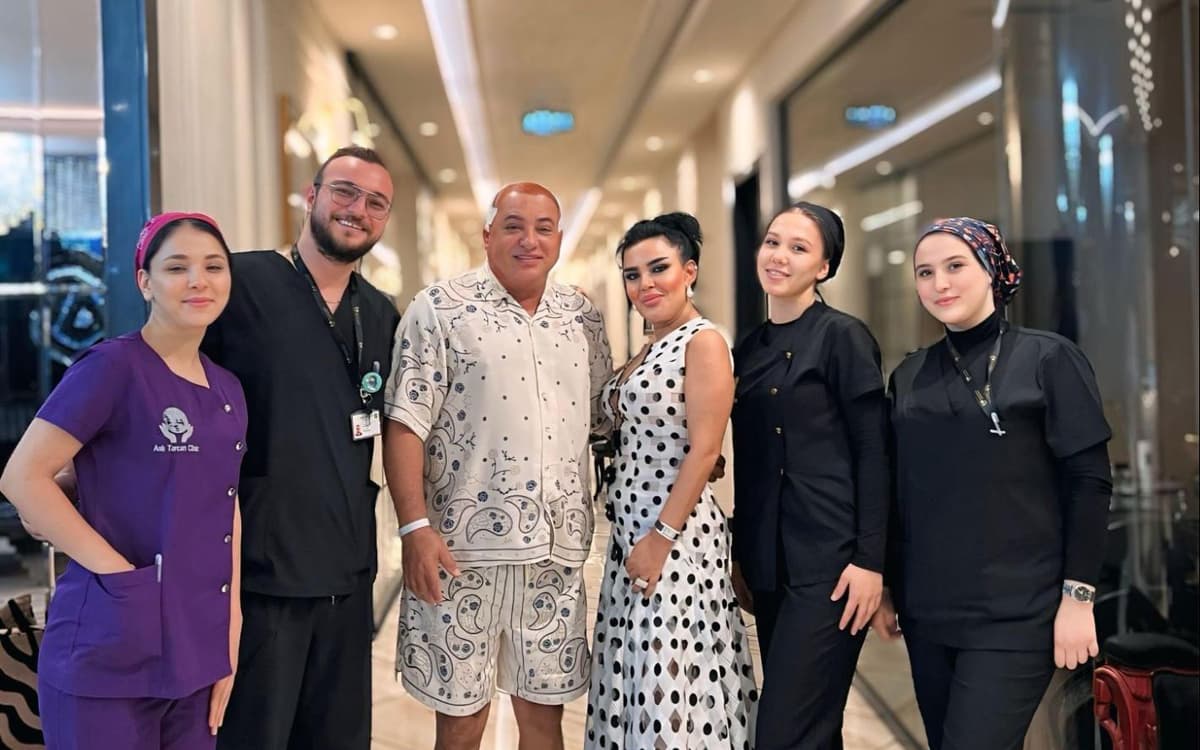
According to the Turkish Health Tourism Association, approximately 1 million people visited the country for hair transplant in 2022. Despite the accessibility of hair transplant treatments locally, patients from all over the world prefer to travel to Turkey for these cosmetic needs. For patients considering this procedure, it can be valuable to understand why medical tourism is so important in Turkey.
Why seek a hair transplant?
Ascend Media
While full hair may not be medically necessary, patients appreciate the aesthetic appearance. People experiencing thinning or hair loss may experience a loss of self-confidence, while a hair transplant treatment could lead to permanent improvements in self-esteem. While mostly men suffer from conditions like male pattern baldness, anyone can experience baldness and benefit from a cosmetic treatment.
Turkey as an affordable alternative
Ultimately, any choice between traveling for a hair transplant in Turkey and staying in the area depends on cost-effectiveness. The personal and financial demands of international travel can add to the cost of a surgery, while local treatment is more likely to require more than a long drive. If, however, the surgery remains more affordable in Turkey, then it becomes much easier to see the appeal. If a patient can find treatment at a lower cost, it may be difficult to prefer a local option. Convenience does not equal quality. This is the case with Turkey’s transplant treatments, but cost is not the only factor behind the industry’s success.
Extensive experience in cosmetic surgery
While affordability is almost certainly the driving force behind Turkey’s medical tourism industry, participants would have little success if they couldn’t deliver results. The nation has become a prime location for cost-effective cosmetic surgery. Many of Turkey’s surgeons have gained unique, first-hand experience in the field. More than cost, their level of expertise is valued by prospective patients. By 2021, approximately 3.4 million hair transplants were performed worldwide. Of these, more than a million took place in Turkey. In North America and Europe, approximately 655,000 and 358,000 transplants were performed in the same year, respectively. Even combined, the numbers reflected by these areas do not compare. Based on the volume alone, one would expect Turkey’s surgeons to be more experienced.
Certainly, this constant inflow and outflow of patients led Turkish surgeons to develop specialized and refined techniques. While specialties may vary from practice to practice, the variety of treatment options available is another contributing factor to the interest in Turkish medical tourism. Of course, understanding these options is vital for any patient making a decision.
Understanding hair transplant techniques
The specific procedures and individual techniques are determined by clinic, but patients can generally expect to choose one of two options. In particular, a reputable clinic will likely evaluate the patient’s scalp and recommend the most appropriate method based on the individual’s goals and hair type. That said, patients usually choose between Follicular Unit Extraction (FUE) or Direct Hair Implantation (DHI) techniques.
FUE involves removing follicular units (natural clumps of hair) from the back of the head, beard or other areas in balding areas. This is achieved through a series of micro-drills, which can be performed manually or robotically. Usually, the FUE procedure begins with the description of the donor and recipient areas so that the patient is satisfied with the proposed result. Some form of anesthesia is then given to numb the scalp or other areas, sometimes including sedation for comfort. The receiving sites are then prepared, after which the grafts are collected and placed in these sites by trained personnel.
The DHI treatment is a modified version of the FUE treatment with a greater focus on detail. This procedure involves using a Choi implantation pen to remove and implant hair follicles. Since the tool allows for precise control, DHI procedures typically feature minimal scarring and faster recovery and may take less time than other available options. Processes vary, but a DHI process typically involves a set of four steps. A surgeon will shave all or part of the head, depending on preference. They will apply a topical anesthetic to the scalp and then extract healthy hair follicles in areas of thinning. After this procedure is complete, the surgeon will clean and bandage the patient’s scalp and then review aftercare with the patient.
Afro hair transplant treatment
Afro-textured hair, which includes a coiled follicle shape and unique growth patterns, often requires specialized expertise. For those looking for one foam hair transplantTurkey continues to demonstrate its expertise. In many of the country’s clinics, afro hair transplants are emerging as a growing specialty service to meet the needs of a wider patient demographic and further boost medical tourism.
Considerations when choosing a clinic
Medical tourism can be a complicated process, so it is important for patients to find a reliable solution before making a decision. Regardless of where they may be performed, hair transplants are generally considered safe when performed by a qualified surgeon. That being said, not every clinic out there is run by a reputable professional. When choosing between clinics, it is important to consider these factors:
Five important factors to consider
- Credentials: A surgeon’s credentials are often an effective indicator of a clinic’s credibility. If a practitioner does not have or cannot verify their own or their clinic’s accreditation, it may be best to continue looking for the right solution. Additionally, one should consider how involved a surgeon will be in the process
- Standards: Hygiene and other facility standards are essential for an effective surgical procedure, whether cosmetic or otherwise. If a facility’s standards are not up to international medical expectations, it may be a clinic to avoid
- Expectations: While a transplant performed by a qualified professional is generally safe, no procedure can guarantee results. If a clinic claims any form of 100 percent guarantee in this regard, other aspects of their practice may be just as exaggerated. A better indicator of results can be found in verifiable reviews, although success rates vary from person to person
- Transparency: Understanding a clinic’s transparency is crucial, especially when it comes to pricing. Most patients engage in medical tourism for its efficiency, so setting clear price expectations – including any hotels, transport and so on – is key to a pleasant experience
- Aftercare: For international patients, especially, aftercare and follow-up are valuable parts of any treatment plan. It can take months to see results from FUE or DHI treatment, so accessible communication about expectations and long-term needs can help ease concerns
With the support of a reputable clinic and a qualified professional or team, hair treatment at home or abroad should be safe. If a patient feels unsure about any of the above factors, it is worth considering a completely different option or reaching out to the clinic for any areas of concern. Ultimately, a surgery is only as effective as the surgeon who operates.
Expected cost of a procedure
Patients can expect a hair transplant in Turkey to cost around $2,000 to $4,000 (about £1,500 to £3,000) for every 2,000 grafts, compared to $10,000 to $30,000 in the United States. If a clinic claims significantly lower costs, it may raise concerns, while significantly higher costs could defeat the purpose of medical tourism altogether.
What to expect after a procedure
After a hair transplant, patients should expect some level of swelling and tenderness. Near the end of the first week, patients should be able to gently wash their scalp. Tiny crusts should form near the end of next week, which you should avoid picking and let fall off naturally. However, some aftercare procedures include gentle cleaning of these areas. During this period, some transplanted hairs may fall out, a normal process that does not affect the survival of the graft.
In the days following surgery, patients should avoid all strenuous activities and try not to rub the area. While some patients may be inclined to cover their heads, most surgeons recommend against wearing any type of head covering until they say it’s okay to do so. Within about three days of surgery, however, the patient should be able to return to most normal activities and return to exercise after about a week.
As long as the incisions heal properly, the hair should begin to grow back naturally. Some clinics offer check-up appointments at some point between the first three to six months, but the majority of follicles should start growing around 10 months. Of course, results will vary from person to person, and despite the quality of treatment, some procedures may not be as effective as expected, if at all.
Above all, a patient should listen to the recommendations and advice of his surgeon. They probably look at one’s individual circumstances, while the schedules and suggestions provided online are general expectations. In the same way that the effectiveness of a given treatment will vary from one person to another, so will the timing of recovery. Hence, aftercare is a vital part of hair transplant treatments.
Finding hair transplant treatment abroad
For those looking for hair transplant treatment abroad, clinics in Turkey stand out as an affordable and effective option. The country’s medical tourism industry has made a wide range of cosmetic treatments more accessible and has trained many skilled professionals to perform high-quality surgical procedures. For this reason, more patients than ever are visiting Turkey for their hair transplant needs.
This article is for informational purposes only and is not a substitute for professional medical advice. If you are seeking medical advice, diagnosis or treatment, please consult a medical professional or health care provider.
Prices and availability are accurate as of publication and are subject to change without notice. Check the retailer’s website for the most up-to-date pricing information
https://www.standard.co.uk/lifestyle/affordable-hair-transplant-turkey-b1268288.html
