



Editor’s Note: Doctor Wang Dongqing is chief physician at the International Medical Department of Beijing Dental Hospital affiliated with Capital Medical University and vice president of Inner Mongolia Forest General Hospital. Her area of expertise is periodontics.
Periodontitis, an oral problem that may seem like a simple inflammation of the gums, affects the health of almost half of the world’s adult population. Apart from leading to tooth loss, it is closely linked to various systemic diseases such as diabetes, cardiovascular disease and even cognitive dysfunction.
According to the World Health Organization, severe periodontal disease is estimated to affect more than 1 billion cases worldwide, and the main risk factors for periodontal disease are poor oral hygiene and tobacco use.
Patients often ask what other effective methods exist “besides uncomfortable scaling and root planing.”
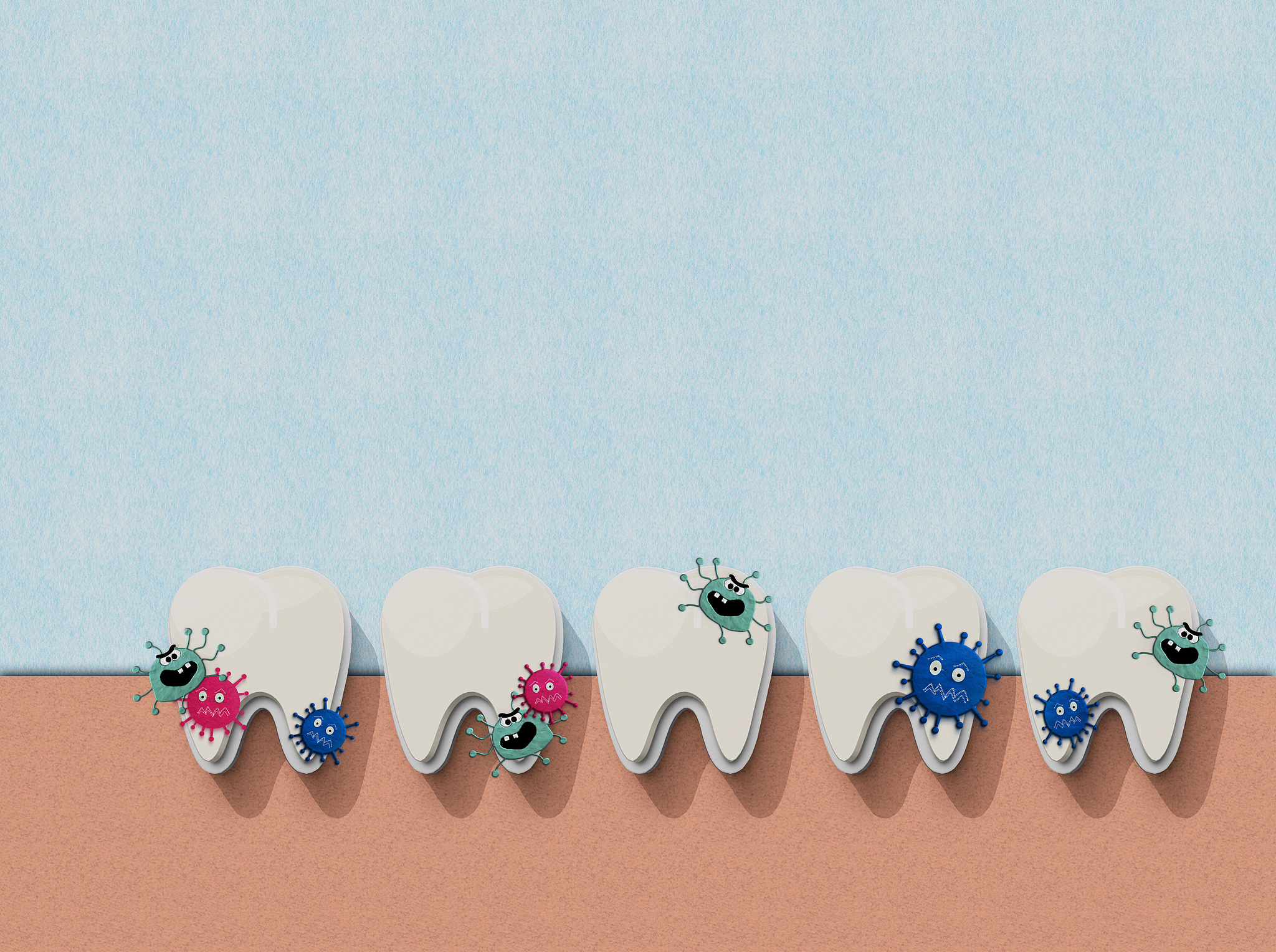
This suggests a key challenge: complex structures such as deep periodontal pockets and swelling areas create hard-to-reach harbors for bacteria. In these “hidden corners”, pathogens are difficult to clean thoroughly using traditional methods. Meanwhile, if systemic medication is used, it can easily lead to drug resistance and side effects.
To break this deadlock, we need to overcome the “fortress” that bacteria rely on: the biofilm. This layer firmly protects the bacteria, making drugs ineffective. Fortunately, antimicrobial photodynamic therapy (aPDT), a strategy that combines ancient wisdom with modern technology, offers a new perspective.
It was discovered a century ago and is based on a principle similar to “targeted demolition”. First, a light-sensitive substance, a photosensitizer, binds precisely to the bacterial surface. When illuminated, the photosensitizer then creates a reactive oxygen species that destroys the bacteria without harming the surrounding healthy tissue and with a low risk of inducing bacterial resistance.
However, delivering this precise strike force deep into the “enemy camp” within the periodontal pockets is not an easy task. When drugs cannot enter or remain there properly, they fail to maintain effective concentrations in the complex, moist oral environment. This is precisely why the full potential of the treatment as an adjunct to basic periodontal therapy has yet to be fully realized.
The solution lies in “smart navigation” therapy equipment. Scientists in China are harnessing nanotechnology to address this global challenge of accurate delivery.
For example, the PCOF-TA nanomaterial developed by Professor Wang Lin’s team at Jilin University acts as a smart micro “bomb” that can be implanted at the site. Its bactericidal reactive oxygen species can be activated by light and under certain conditions, it can also release internally loaded drugs to deliver a “double whammy” on the biofilm. The research shows China’s innovative potential in the field of oral nanomaterials.
To address the delivery challenge, our team is also exploring two cutting-edge approaches. One is a “Trojan horse” strategy that uses biomimetic protein carriers to directly deliver photosensitizers to bacteria, thereby greatly enhancing efficacy while protecting the surrounding tissue.
The other is a “nanoprotective shell” technology that involves coating photosensitizers with a stable metal-organic framework (MOF) film. Experiments show that this can significantly enhance bactericidal efficacy in complex environments. These smart carriers are designed to ensure that this ‘precise scalpel’ of photodynamic therapy can actually get to the core of the damage.
Even more exciting is that the goal of this miniature battle is not only to eliminate the enemy but also to repair the “house”.
Professor Chen Tao’s team at Chongqing Medical University designed a “zero waste” treatment system that intelligently uses bacterial metabolites against the bacteria themselves, promoting healing and reducing scarring.
The photo-responsive hydrogel dressing developed by Professor Zhang Rongjun and Wei Xiaoling’s team at Fudan University can harness the micro-forces generated by daily chewing to guide tissue regeneration, achieving rapid, scar-free healing of oral wounds in animal experiments. This development marks an evolution in treatment philosophy from “destructive clearance” to a comprehensive “bactericidal-repair” approach.
The journey from laboratory research to widespread clinical application still requires significant effort in safety, procedures and long-term efficacy validation.
However, these explorations, combining knowledge from biology, materials science, optics and other disciplines, have opened new avenues for us. It does not mean replacing the classic basic periodontal treatment. Instead, it adds a more precise and intelligent additional dimension to it.
Perhaps in the not-too-distant future, periodontal treatment will no longer rely solely on physical cleaning with instruments, but will be aided by these nanomedical “agents” capable of precise navigation, smart drug release, and safe metabolism.
This silent revolution taking place at the micron scale ultimately aims to restore the healthy balance of the oral cavity with minimal intervention and smart methods, offering patients a new treatment experience.
