


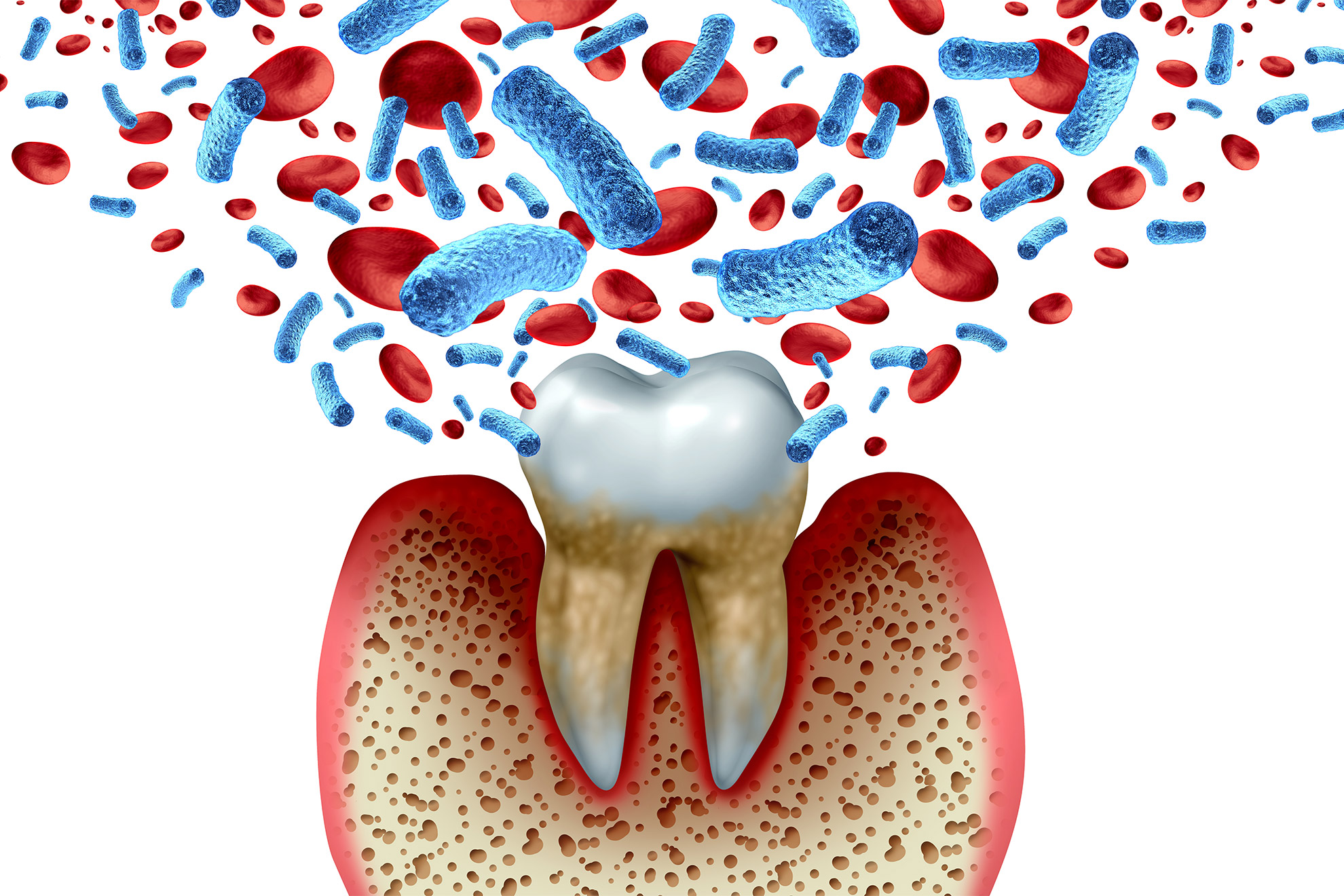
For people living with diabetes, taking care of their gums can be just as important as managing their blood sugar. Research has shown that there is a two-way relationship between periodontal disease – more commonly known as gum disease – and diabetes.
People with periodontitis have a higher risk of diabetes, and patients with diabetes are three times more likely to develop periodontal disease. About 50 percent of adults worldwide suffer from gingivitis, contributing to more than 3.5 billion people suffering from oral diseases each year, according to the World Health Organization (WHO).
To shed light on this connection, Harvard School of Dentistry spoke with David Wu, an instructor in the School’s Department of Oral Medicine, Infection and Immunity and program director of the Advanced Postgraduate Education Program in Periodontology.
Can you explain why people with diabetes are at greater risk for gingivitis?
People with diabetes are at increased risk for gum disease due to persistently elevated blood sugar levels, which can impair the body’s ability to fight infection and promote chronic inflammation in the mouth. This weakened immune response combined with a higher amount of glucose in your saliva allows harmful oral bacteria to flourish and plaque to build up, increasing the chance of gum tissue breakdown and periodontal infection.
What early signs of gum disease should someone with diabetes be aware of?
Early symptoms of gingivitis may include gums that are red, swollen, or bleed easily, especially when brushing or flossing. Persistent bad breath, gum sensitivity, receding gum lines and loose teeth can also signal the onset of periodontal problems. These early signs are often painless, but should not be ignored and warrant an early evaluation by a dentist.
Can treating gingivitis help improve diabetes management?
Yes, effective management of gum disease can lead to improvements in blood sugar control. Treating gingivitis reduces chronic inflammation in the body, which can enhance the body’s response to insulin and stabilize metabolic health. The bottom line is that integrating routine dental care with diabetes management is key to achieving better overall patient outcomes. Prevention, early diagnosis and intervention can lead to better clinical outcomes.
Are there recent research findings that have changed the way we understand the relationship between diabetes and oral health?
Recent scientific developments highlight the two-way relationship between diabetes and gingivitis. New findings show that inflammation from periodontal disease can contribute to poor blood sugar control, while uncontrolled diabetes can fuel oral infection. Studies are also exploring how genetics and the oral microbiome may influence this complex interaction, heralding a new era of collaborative care between dentists and physicians.
What daily habits or preventive measures are most effective in protecting gum health in people with diabetes?
Following a thorough oral hygiene routine, including twice-daily brushing, daily flossing and regular dental checkups, is essential for overall health. Optimal blood sugar control, a balanced diet and avoiding tobacco products further support gum health.
Consultation with a periodontist (gum specialist) and professional oral hygiene treatment at least twice a year is strongly recommended, as is immediate attention to any changes in the mouth. For patients with diabetes, the periodontist may recommend a maintenance visit every three months to adequately monitor the condition of the disease and stop the progression of the disease.
