


 BBC
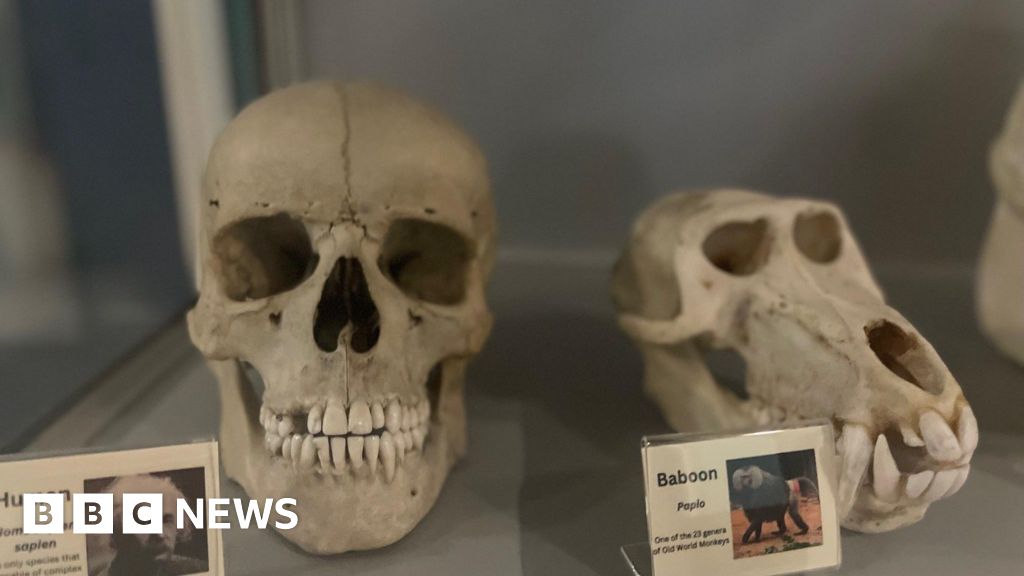
BBCWhile many species can regenerate their teeth, human beings only have one chance to develop a healthy set of adult pearly whites.
But that could change.
Scientists from King’s College London managed to grow a tooth in laboratory conditions.
And while this discovery may still be a long way from filling the gaps in anyone’s mouth, the researchers say it fills in the gaps in the research.
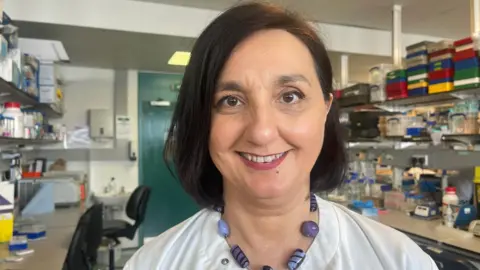
“This idea of replacing the tooth biologically by regrowing it attracted me to London and King’s,” explained director of regenerative dentistry, Dr Ana Angelova-Volponi.
“By growing a tooth on a plate, we’re really filling in the knowledge gaps.”

A perfect smile is highly sought after, with many people turning to braces or implants to give them a “reality TV” look.
But implants can cause unpredictability problems for the patient and the dentists who care for them.
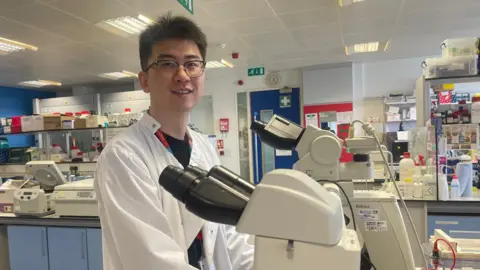
“Implants require invasive surgery and a good combination of implant and alveolar bone,” explained Xuechen Zhang, a PhD senior in the School of Dental, Oral & Craniofacial Science.
“Laboratory-grown teeth would regenerate naturally, integrating into the jaw as real teeth.
“They would be stronger, longer lasting and free from the risk of rejection, offering a more durable and biocompatible solution than fillings or implants.”
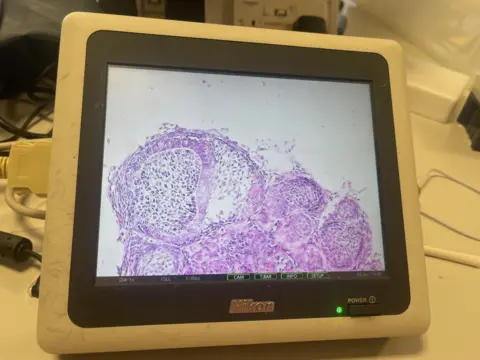
King’s team, in collaboration with Imperial College London, successfully introduced a special type of material that allows cells to communicate with each other.
This means that one cell can effectively tell another to start becoming a tooth cell, which mimics the environment of developing teeth and allows scientists to recreate the tooth growth process in the lab.
Having successfully created the environment needed for teeth to grow, scientists now have to figure out how to get them from the lab to a patient’s mouth.
And this may take many more years.
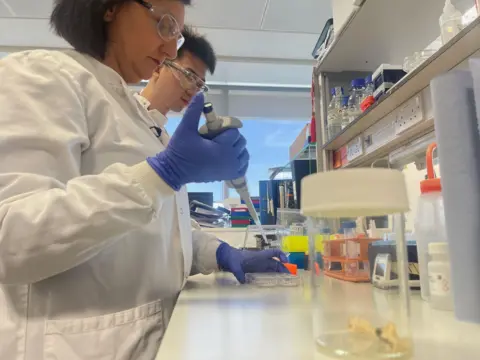
“We have different ideas for putting the teeth inside the mouth. We could transplant the young dental cells into the missing tooth’s place and let them grow inside the mouth,” said Mr. Zhang.
“Alternatively, we could create the entire tooth in the lab before placing it in the patient’s mouth.”
But whatever method scientists choose, the initial process begins in the laboratory.
Poor oral health can affect people’s ability to eat, speak and socialize normally, and can be linked to heart problems and infections if bacteria enter the bloodstream. The elderly may be particularly vulnerable.
More than half of older people living in care homes have tooth decay, compared with 40% of over-75s not living in care homes, according to the National Institute for Clinical Excellence and the Institute for Social Care Excellence.
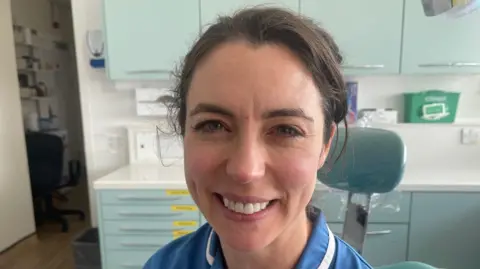
Saoirse O’Toole, clinical lecturer in prosthodontics at King’s College, said: “This new tooth regeneration technology is very exciting and could be a game changer for dentists.
“Will it come in my lifetime of practice? Possibly. In my children’s dental lifetimes? Maybe. But in my children’s children’s lifetimes, hopefully.”
