


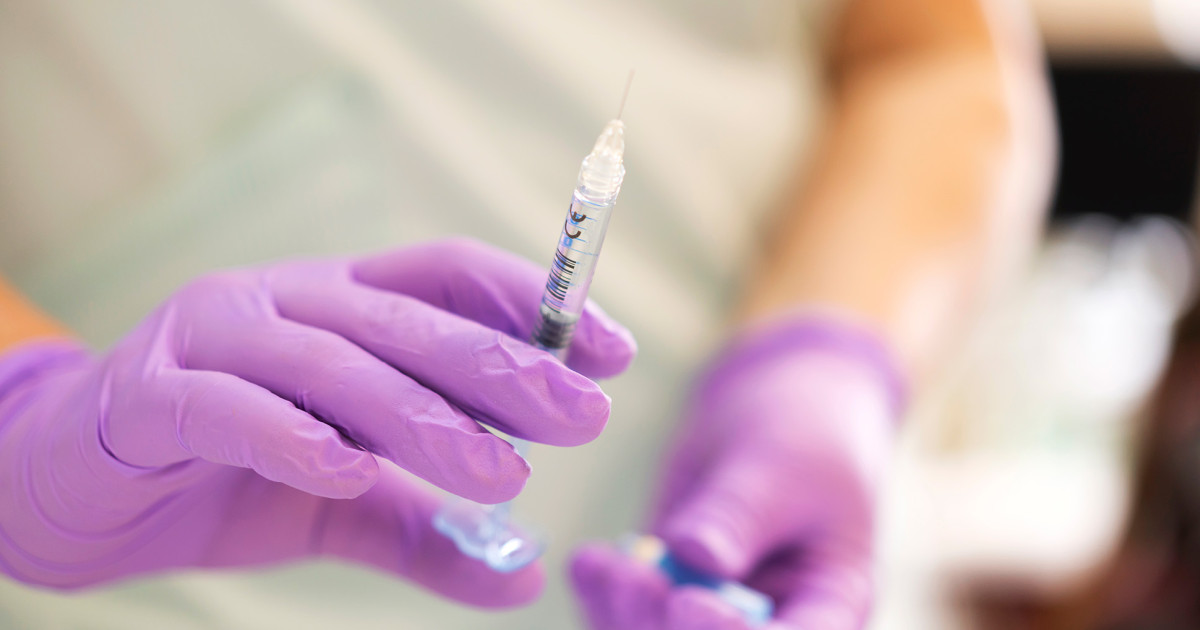
Botulinum toxin injections provided greater short-term relief for phantom limb pain than standard medical and surgical care in Ukrainian war amputees, reports a new study led by Northwestern Medicine and Ukrainian doctors.
The study, which involved 160 amputees treated at two hospitals in western Ukraine between 2022 and 2024, could ultimately benefit millions around the world, according to the research team.
Pain after amputation affects most amputees. The condition limits prosthetic use, mobility and quality of life. In the US, more than 2 million people you live with limb loss. In Ukraine, it is estimated that above 100,000 soldiers and civilians have lost limbs since Russia’s full invasion, which began in 2022.
“Botulinum toxin injected into painful stumps of residual limbs and around neuromas was on some outcome measures more effective than comprehensive medical and surgical therapy one month after treatment,” said the study’s senior author. Dr. Steven P. Cohenprofessor of anesthesiology and vice president for research and pain medicine at Northwestern University Feinberg School of Medicine.
Dr. Steven Cohen is a retired US Army colonel who traveled to Ukraine to work with local doctors.
“Our results show that botulinum toxin could potentially be a powerful short-term tool for the treatment of post-amputation pain when used alongside comprehensive medical and surgical care,” said co-author Dr. Roman Smolynets, an anesthesiologist and intensive care specialist at the Multidisciplinary Clinical Hospital of Emergency and Intensive Care in Lviv, Ukraine.
“It could be another step towards helping amputees live with less pain and more dignity. But always as an add-on to integrated medical and surgical care, not as a monotherapy.”
The study was published in the journal Archives of Physical Medicine and Rehabilitation.
Assessment of pain before and after treatments
All study participants were amputees treated at the First Medical Association of Lviv or the Ivano-Frankivsk Regional Hospital. About a fifth received botulinum toxin injections around painful nerve endings, called neuromas, in addition to standard medical and physical therapy. The other participants received comprehensive medical and surgical treatment, which included surgical revision, nerve blocks, physical and psychological therapy, medications, and other invasive procedures.
The research team assessed pain levels at the start of treatment and after one and three months, focusing separately on phantom limb pain (pain in the missing limb) and residual limb pain (pain at the stump site).
At one month, the botulinum toxin group had an average reduction of four points in limb pain on a 10-point scale, compared with just one point among patients in the comparison group. Also, at one month, 69% of patients who received botulism toxin achieved a significant improvement (defined as a pain reduction of at least 30%) in phantom limb pain, compared to only 43% in the other group of patients.
However, the results changed at three months: Patients who received comprehensive care showed more durable pain relief than the botulinum toxin group, consistent with previous research showing that the pain-relieving effects of botulinum toxin typically last about three months.
A new way to inject botulinum toxin
While botulinum toxin injections, a non-surgical treatment that relieves pain by blocking nerve signals, are best known for their use in cosmetic procedures, they are also an established tool for treating chronic pain.
In the study, the substance was injected in a new way. The research team used ultrasound guidance to inject botulism toxin directly around painful nerve endings and surrounding soft tissue, rather than into muscle or skin. This targeted “perineural” approach, the scientists believe, may explain the powerful short-term pain reduction by soothing nerve activity and local inflammation. Previous studies have shown botulism toxin to be effective for neuropathic pain, but none have injected it around painful nerves.
The new findings suggest that botulinum toxin injections near the nerves may also help relieve other types of nerve pain, such as pain associated with shingles, carpal tunnel syndrome, and pain after surgery such as a mastectomy or thoracotomy.
