


Salt Lake City, Utah, April 8, 2025
Utah has become the first state to prohibit fluoride from public water supply. While national titles focus on the debate on freedom of health, a deeper and more subsequent question emerges: in a time of water monitoring driven by AI and IoT infrastructure, is the era of public therapies for the public health of a size?
The new law, HB81He passed Utah’s legislative body and was signed by Governor Spencer Cox in late March. It prohibits municipalities from fluent in public water and instead expands access to fluoride supplements that can be prescribed by pharmacists – no doctor is required.
Supporters say the movement is about personal choice. Critics warn that it could reverse decades of progress of dental health. But beyond the controversy there is a bigger story – one about how technology is fundamentally reforms how we think of public health, utility businesses and personal responsibility.
“We reinforce people to choose what they put on their bodies,” Rep. Stephanie Gricius, co-authored of HB81, along with Senator Kirk Cullimore (areas 9 and 19). “This is the type of political common sense that makes Utah the biggest situation in the nation.”
Fluorization began in the 1940s as a public health intervention to reduce tooth decay, especially among low -income populations. With the chemical treatment of the common water supply, cities could offer benefits equal and inexpensive. But this model was built for a time when utility businesses had no way of differentiating, adapting or personalizing the report.
But this model presupposes uniformity. He assumes that all individuals benefit equally from the same dosage. And it reflects a time when utility businesses did not have little ability to adapt therapies based on real -time data.
Fast forward to the present day.
With the rise of IoT (Internet of Things) water sensors, AI -powered modeling and smart utility management, communities can now monitor water quality, chemical concentrations and real -time exposure levels. We are not just talking about leading lead or bacteria – new systems can measure fluoride levels up to the level of households, monitor trends and even predict potential health risks based on environmental and demographic data.
In other words: We no longer need to deal with all the same.
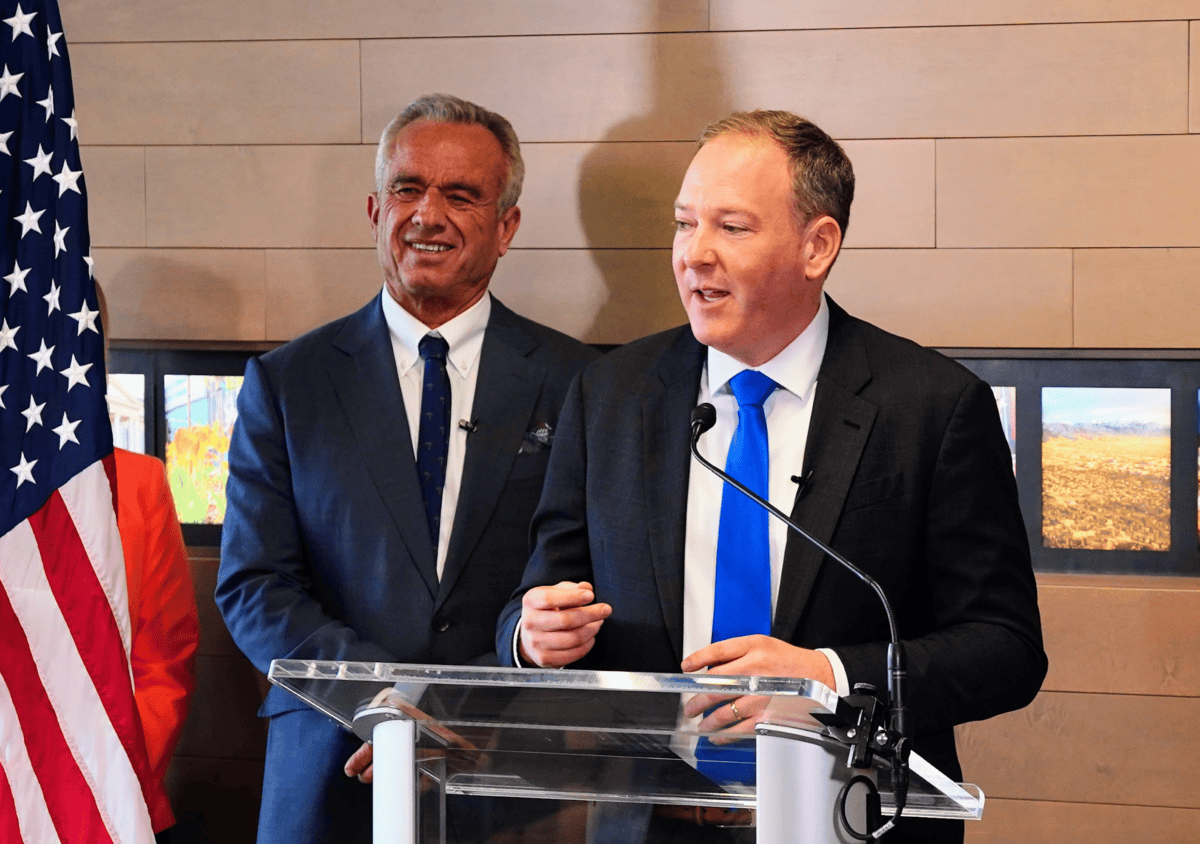
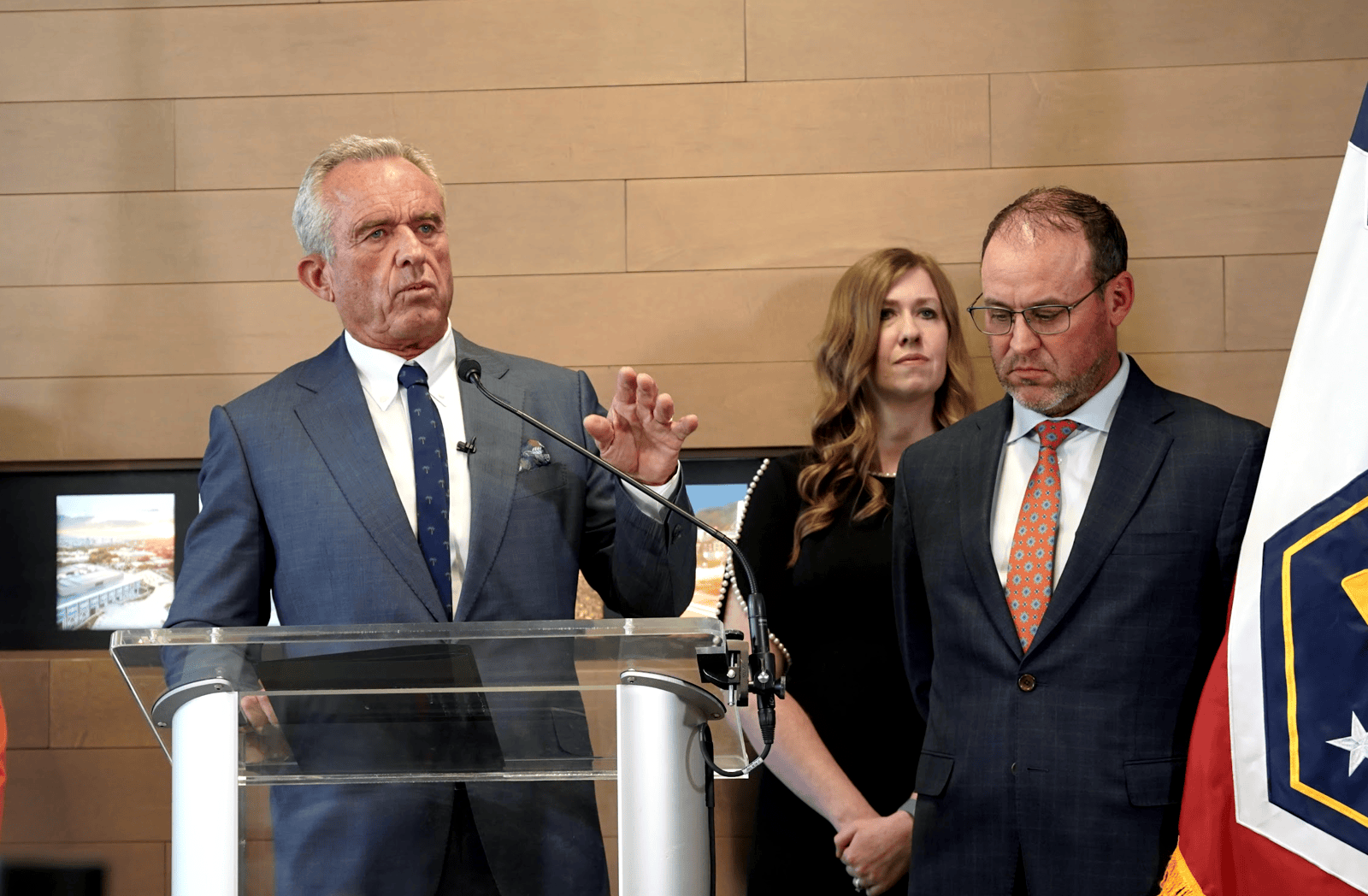
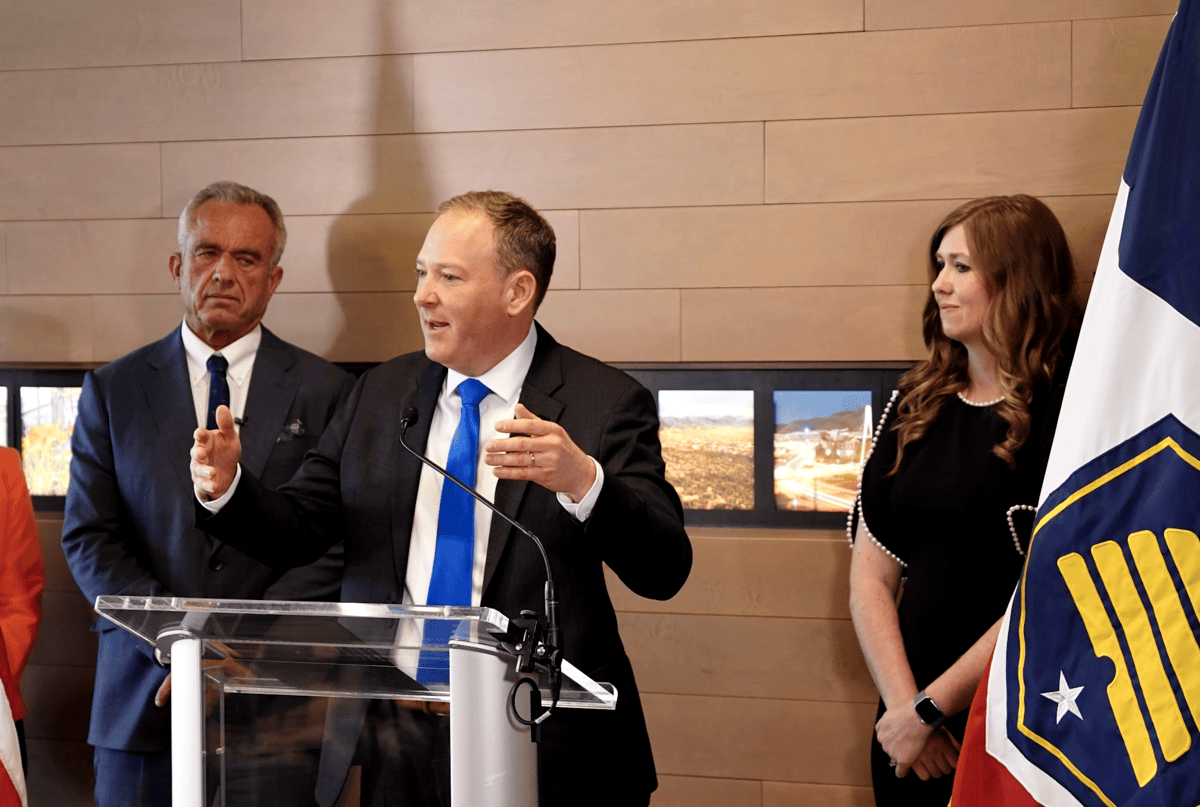
All this innovation was quiet in the background, as the top political leaders of Utah gathered in the Utah University Yesterday for a press conference announcing the signature of the law. Sponsor of HB81 Rep. Stephanie gricius (Region 50 – County Utah) joined by US Minister of Health and Human Services Robert F. Kennedy Jr.EPA administrator Lee Zeldin; Rep. Kristen Chevrier (District 54 – County Utah) and the Jute speaker Mike schultz (Region 12 – Davis, Weber Counties).
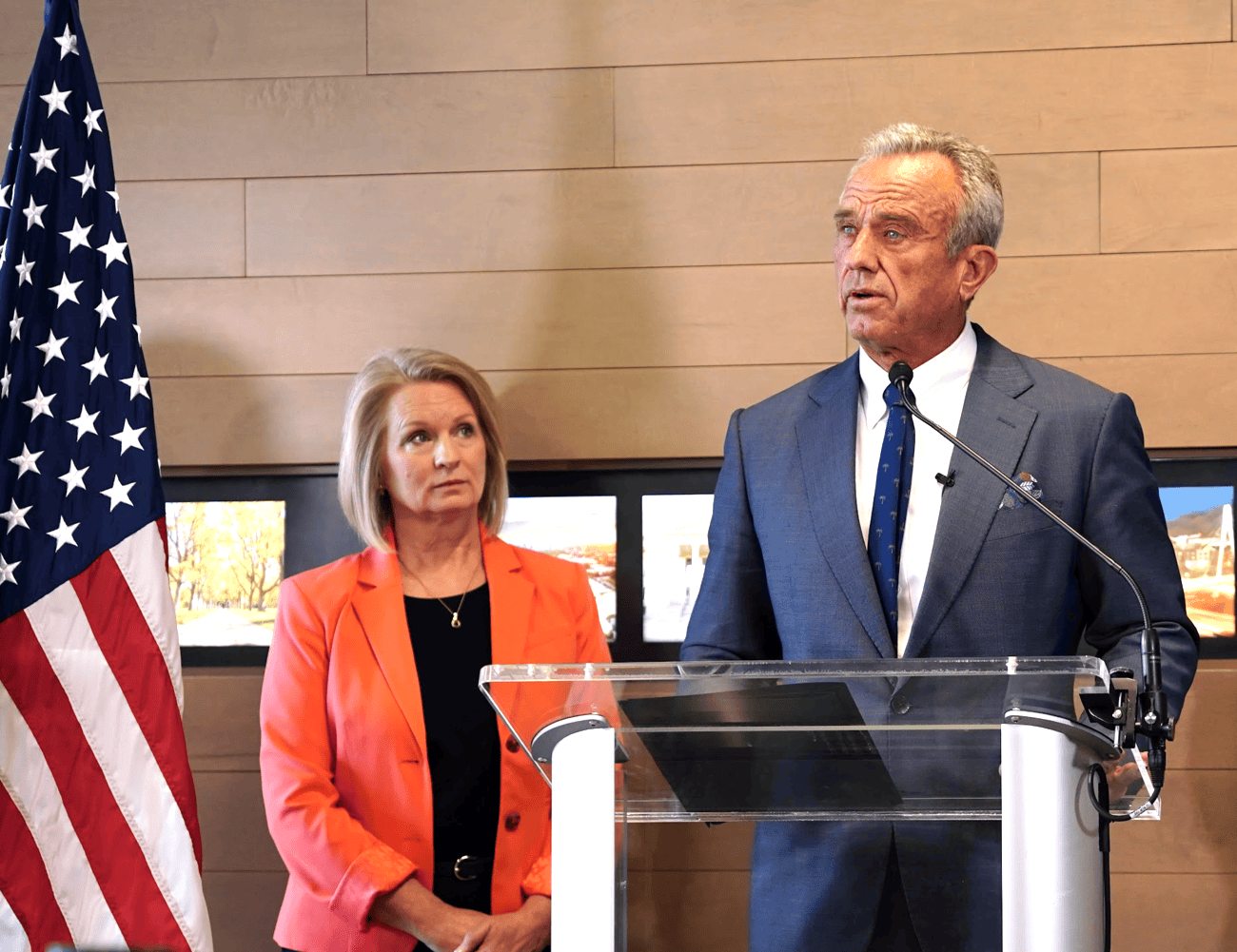
“I’m very proud of Utah,” Kennedy said. “He has emerged as a leader in making America healthy again.”
Kennedy, known for the skepticism of mass fluoridation, is reported findings by the National toxicological program Linking systemic fluoride exposure to neurological, endocrine and skeletal risks to health. “The only advantage of fluoride is local, not systematic,” he said. “There is no reason to swallow it when you brush your teeth provides the same protection. Science has not maintained technology.”
EPA Zeldin administrator added that the organization would reopen the review of fluoride guidelines in response to these emerging studies. “If this is as important as secretary Kennedy – and clearly to so many people here in Utah – it is top on the list for the environmental protection service.”
And the federal government is watching. “EPA is back to see all the studies that have come out from July 2024,” Zeldin said. “We are ready to act on the basis of science.”
Much of the public debate focuses on health claims, but what is least discussed is how technology makes personalized water processing more feasible than ever.
Here are some innovations that drive this shift:
- IoT Water Sensors: They installed in key hubs in water systems – or even in houses – these sensors can monitor a wide range of infectious substances, including fluoride, chlorine, nitrate, heavy metals and pathogens. They transmit real -time data to municipal control panels, warning operators for quality changes immediately.
- Modeling AI: Using mechanical learning, utilities can now create dynamic chemical exposure models, producing geography, population health data and even behavior patterns (such as households use infiltration systems or bottled water). This allows target interventions and not blankets.
- Smart utilities: Increasingly, utilities are adopting platforms that lead to AI that optimize treatment levels in different zones. This could allow one neighborhood to receive higher fluoride treatment-while the other has not-set up in emergency preferences or opt-in.
- Consumer Access Tables: Some newly established companies even create applications that allow households to monitor the quality of their waters daily and make documented decisions on complementary treatment.

Overall, these technologies offer a future where mass chemical therapies are no longer the only sustainable choice. Instead, public health could evolve to “exposure to precision” – targeting needs without at stake in individual freedom or systematic security.
Balancing innovation, moral and access
The transition from blanket fluoridation raises real concerns. Dentists and health care providers warned that without it, low -income populations may suffer increased tooth decay and long -term dental costs. “The net result will be an additional cost for Utah families,” said Lornna Koci of the Utah’s health coalition. “We believe that increasing decomposition will cause more children to be out of school and more people who cannot work.”
Others argue that personalized technology may broaden the health gap unless it is applied equally. IoT sensors and smart processing systems do not automatically reach areas that are not covered. And many families will not have the time, resources or knowledge of managing supplementary fluoride on their own.
Where careful planning – and public investment – enter.
Utah’s law includes a basic provision: fluoride supplements can now be prescribed directly by pharmacists. This reduces obstacles and creates a possible plan for other states that are considering similar displacements.
A national experiment in public health technology
During the press event, Utah’s speaker Mike Schultz has put a broader idea: let’s serve as a national pilot for the Public Health Policy fueled by local innovation.
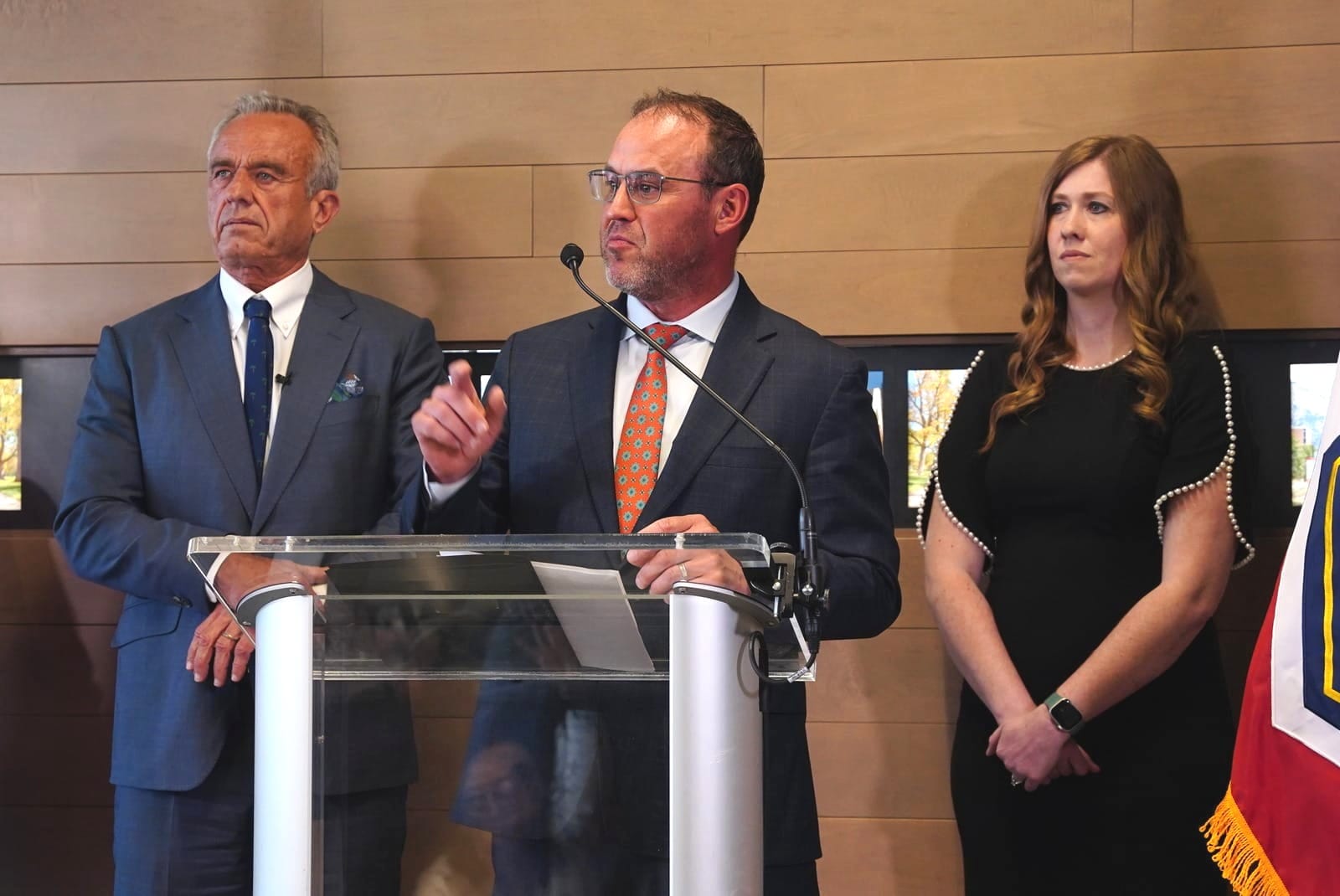
“We are managing more efficiently, more effectively and more economically than the federal government,” he said. “Let’s be a national experiment.”
This feeling is aligned with the broader Jute history: a top ranking for business, upward mobility and now-special-protest in personalized water infrastructure.
As more states review long-term public health practices, the Jutah’s fluoride law could be a case study of how data science and individual autonomy can work hand in hand.
What will follow?
The future of water may not be about fluoride. It can be for choice, transparency and adaptation – guided by smart technique and smart policy.
Wraction watching will replace AI blankets? Will households become active participants in their own water health? Will the states follow Utah’s lead or double traditional models?
As other states believe that they have followed the Utah’s lead – or by doubling traditional models – the broader shift is clear. The era of passive public health gives way to something more, decentralized and adaptable. Similar experiments are already in progress Californiawhere the East Bay Municipal Utilities They are pilot opt-in chemical treatments based on neighborhood inflows. In ColoradoBoulder tests a machine learning platform to dynamically adjust water treatment levels. And to TexasAustin Water has collaborated with researchers in Ut austin To study the management of the report in real time through smart cash data. In addition to these technological initiatives, several areas have taken legislative action to remove fluoride from public water systems. For example, Miami-Dade County, Floridavoted to stop adding fluoride to public water supply in April 2025 (ABC news). Similarly, Union County, North Carolina; Collier County, Floridabanned the addition of fluoride to their drinking water in early 2024 (Statistical). The future of public infrastructure may not concern the addition of more chemicals. Can be for delivery accuracy and choice.
But one thing is clear: the era of passive public health can give way to something much more dynamic, decentralized and guided by data.
And Utah, once again, is precisely at the heart of.
Share this article
