


The Independent was not involved in the creation of this sponsored content.
What are the potential risks? For example, what should one look out for when choosing Antalya—one of Turkey’s most popular cities for medical tourism—?
How does one make the right choice amidst this information overload? And what should you look out for for a natural looking and smooth hair transplant process?
The following 10-point checklist summarizes the most important points often highlighted by prominent hair transplant doctors for anyone considering a hair transplant in Antalya.
1. Not everyone is a good candidate – regardless of technique
Hair transplantation is not the right solution for everyone. In some patients, the type of hair loss is still active or the donor area is weak. In such cases, transplantation may lead to further loss.
Sometimes the best decision is to postpone the procedure or not to perform it at all. The difference a true expert makes is not in saying “yes” but in being able to say “no” when necessary.
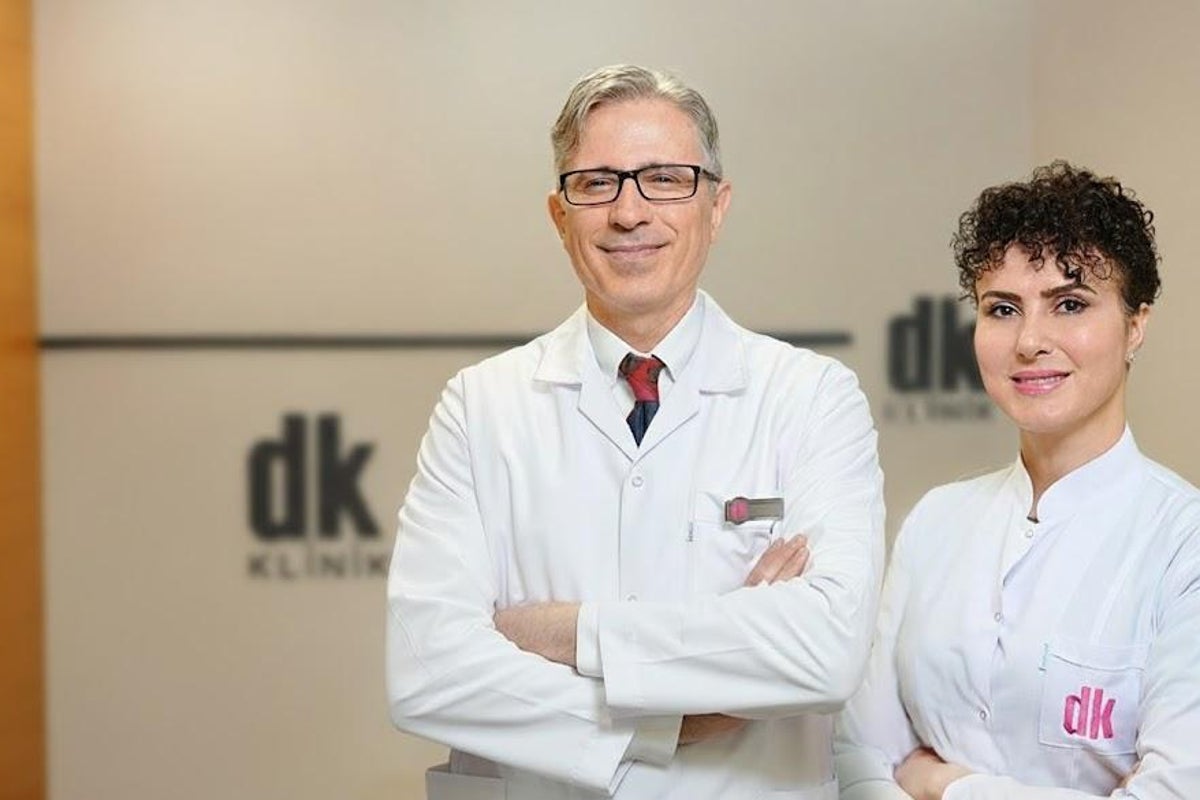
Dermatologist Meltem Şentürk from DK Klinik — an ISHRS member who has been treating hair loss in Antalya, Turkey for over 20 years — stresses this crucial point:
“The donor site is a finite, precious resource, not an endless bank. One of the most responsible—and often most difficult—decisions is to say ‘no’ to a patient who is still too young.” she explains.
“Aggressively using grafts at 23 or 25 to correct a receding hairline may look good now, but it’s a short-term solution that can leave them without donor reserves to deal with future baldness in their 40s or 50s. Our responsibility is to plan for a lifetime, not just one procedure.”
An operation plan should be prepared, taking into account the individual’s age, hair thickness, hair loss history and genetic predisposition.
The hairline is drawn according to the structure of the face and possible future changes, not on paper. Ultimately, the goal is not only to transplant hair but to ensure that the natural appearance is maintained for years to come.
Transparent prices and realistic expectations are much more valuable than promises of discounts or fancy packaging.
2. The consultation should be with a doctor, not a salesperson
It is a key safety indicator if the doctor responsible for your procedure is open to a virtual consultation.
The doctor should be accessible and willing to answer your questions before surgery — either in the clinic or through online channels if you prefer.
This is a strong sign that the person overseeing your treatment will indeed be your doctor, not a sales representative or technician.
3. DHI, FUE or Sapphire? Technique is not what counts most
For many people considering a hair transplant, the technique is usually the main focus.
However, older methods such as FUT, which involve removing a strip of tissue from the back of the head and leaving a visible scar, are no longer favored today.
Modern hair transplants are now done using DHI or FUE techniques, which achieve a more natural look and leave micro-scars that are barely visible unless closely scrutinized.
According to dermatologist Meltem Şentürk, good results are achievable regardless of which modern technique is used.
What really matters is choosing a competent doctor, an experienced clinic with a solid track record, and a clinic that remains accessible even after you return home — one that doesn’t abandon patients halfway.
4. 5,000 cuttings? Rarely possible – be careful when you hear it
Exaggerating graft numbers or heavily promoting certain techniques are common marketing practices seen in some unregulated clinics.
Professor Dr. Ümit Kemal Şentürk notes that clinics that advertise unusually high numbers of transplants — such as 5,000 or 6,000 — can distract from what matters most: medical expertise, doctor qualifications and the clinic’s overall credibility. Adds:
“Avoid places that constantly exaggerate graft numbers or claim to have discovered the newest and most effective technique. Very high graft numbers are only realistic for a very small group of patients.”
If a clinic guarantees “perfect results,” “zero downtime,” or quickly drops its price when you negotiate, that’s a warning sign.
Experienced doctors explain the possibilities and limitations rather than making promises or negotiating discounts.
According to dermatologist Meltem Şentürk, the best consultations are those where patients leave with a clear understanding — not blind optimism.
When communication is honest and pricing is transparent, satisfaction naturally follows.
6. A higher price does not mean better quality – a lower one does not mean worse
The price differences between clinics in Turkey and Antalya can be dramatic, but the number on a brochure rarely reflects medical quality.
Very low prices can be a red flag, but higher costs do not automatically guarantee better results.
Dermatologist Meltem Şentürk advises patients to judge a clinic based on its medical standards and transparency rather than its price.
Transparent prices and realistic expectations are much more valuable than promises of discounts or fancy packaging.
7. The best results look effortless – because they’re designed that way
Natural looking hair transplants they are not achieved by accident — they are the result of careful planning and medical restraint.
Professor Dr. Ümit Kemal Şentürk explains, “Every physical effect you see has a hidden structure behind it — angles, density and flow decided long before the operation begins.”
He adds that true skill in hair restoration is not about how much is done, but how carefully it is done.
“When the programming respects the proportions of the face and the limits of the donors,” he says, “the result doesn’t demand attention – it just belongs.”
8. You can’t just get a hair transplant and go on vacation
Post-operative care is vital after hair transplantation. The transplanted and donor areas should not sweat for a certain period of time.
It is also important to avoid direct sunlight and avoid visiting hammams, saunas or swimming pools.
Therefore, continuing your vacation immediately after a hair transplant poses a risk to both your health and the success of the procedure.
The best approach is to enjoy your vacation first and then put it aside last two or three days for hair transplantation.
9. If you are also planning dental implants, hair transplant should come first
Antalya is a top destination not only for hair transplants but also for dental treatments.
Every year, many people from all over Europe and the US — especially the UK — visit Antalya for both procedures.
However, there is one important detail to consider: there should be an interval of 2-3 days between the hair transplant and the dental treatment, and the hair transplant must be done first.
This is because swelling can occur in the jaw area for up to 72 hours after dental implants, which could make the hair transplant process difficult.
10. Aftercare is half the cure
A hair transplant doesn’t end when the surgery is over — Healing and growth can be affected by how closely the procedure is monitored afterward.
Dermatologist Meltem Şentürk explains, “The first months are when patients need the most guidance. Many concerns are small, but unanswered questions can develop into anxiety – and this affects recovery.”
He notes that consistent, direct communication makes the biggest difference. At DK Klinik, her team stays in touch through whatever channel the patient prefers — video consultations, WhatsApp check-ins or regular photo updates.
Each week, the clinic reviews progress and adjusts postoperative care when necessary. It’s a simple but vital principle: Patients who feel supported tend to have a more positive recovery experience.
This article is for informational purposes only and is not a substitute for professional medical advice. If you are seeking medical advice, diagnosis or treatment, please consult a medical professional or health care provider.
1. Not everyone is a good candidate — Regardless of technique2. Consultation should be with a doctor, not a salesperson3. DHI, FUE or Sapphire? Technique is not what counts the most4. 5,000 Grafts? Rarely Possible — Be careful when you hear it5. Good clinics don’t make promises, they explain6. A higher price does not mean better quality – a lower one does not mean worse7. The best results look effortless — Because they’re designed that way8. You can’t just get a hair transplant and go on vacation9. If you are also planning dental implants, hair transplant should come first10. Aftercare is half the cure
https://www.independent.co.uk/news/business/hair-transplant-antalya-costs-care-b2869053.html
