


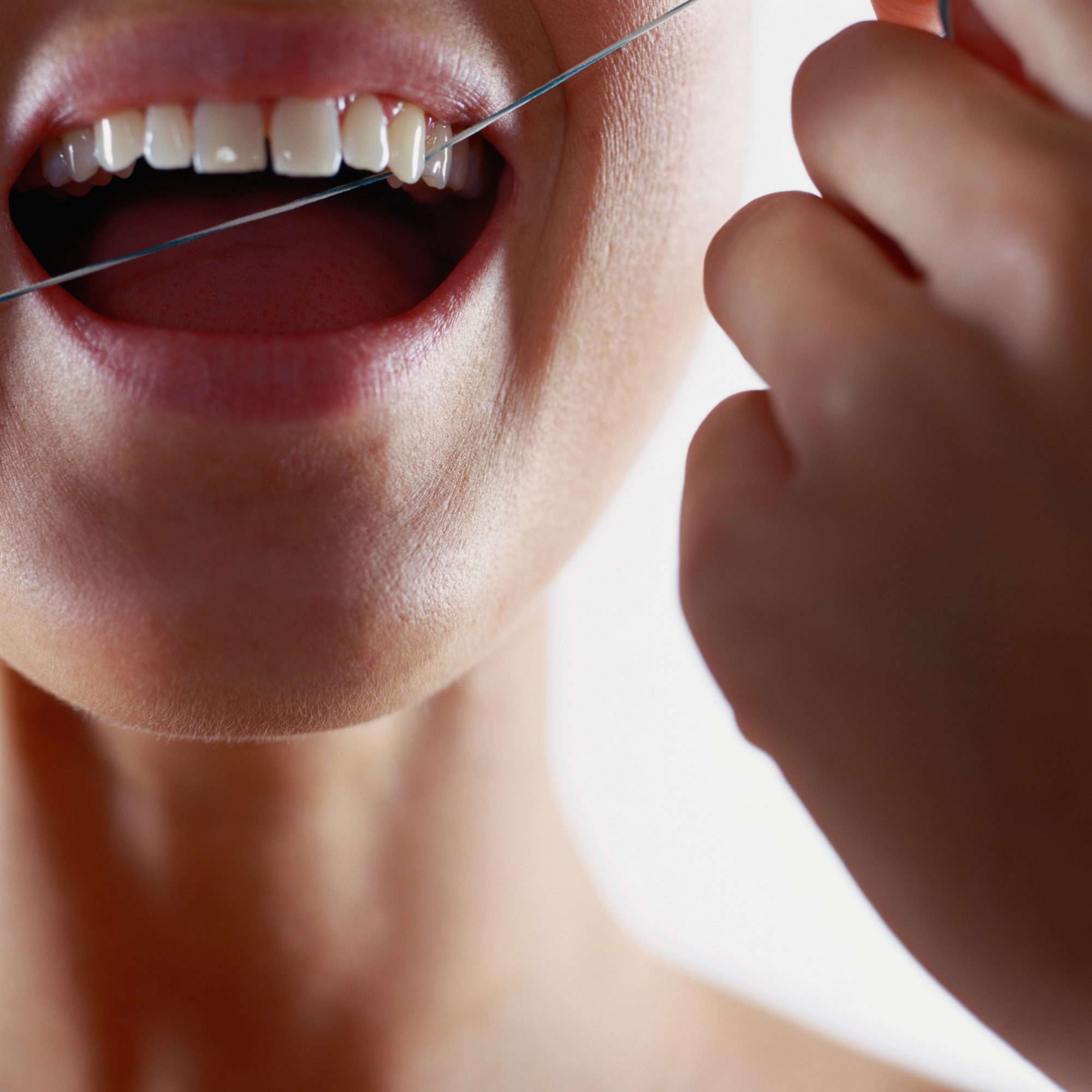
There are many reasons to maintain a healthy weight for your body type, including the fact that weight is often related to other health issues. One of these health issues is gum disease, also known as periodontal disease.
Gum disease includes gum infections, from gum inflammation to tissue and bone damage. These serious infections can lead to bone loss and other diseases if left untreated.
Weight and gum disease are linked in several ways.
Weight can affect dental health
Gum disease can lead to tooth loss. The gums can separate from the tooth, leading to loose or loose teeth.
Being underweight is not healthy for the teeth. A person who is very underweight may be at risk for osteoporosis, a condition where a person’s bones may begin to break easily. Research suggests that bone condition can play a role in a person developing gingivitis, reducing bone density in the jaw and leading to tooth loss.
The authors of a Scientific Reports study looked at tooth loss and weight. The study reported that people who are considered underweight may be at greater risk for fractures and bone loss. And researchers found that some people who were underweight had a lower number of teeth, which could be because they didn’t consume enough essential vitamins or amino acids and didn’t have a balanced diet.
Tooth loss may also be greater as weight increases. One study showed that people with higher weight had fewer teeth. The authors said that smoking and a decrease in good oral hygiene practices were associated with tooth loss in participants with obesity.
Weight can change the function of the immune system
Your immune system is another link between gum disease and weight. Infections cause a person’s immune system to activate, which is known as an immune response. And inflammation is one of those responses.
Health care providers understand that obesity increases inflammation in the body, which has long been linked to gum disease, he said. Yiping Han, PhDprofessor of microbial sciences in dentistry at Columbia University. One study concluded that increased body fat due to obesity could signal the body that it has an inflammatory response.
In addition, obesity-related inflammation has been shown to cause problems in the body’s immune system, he said Salvador Nares, DDSdirector of periodontal research at the University of Illinois at Chicago College of Dentistry.
“Periodontal disease is an immune-mediated infectious disease,” added Dr. Nares. “This means that obese people will be more susceptible to the bacteria that cause gum disease and the bacteria that cause tooth decay than other people.”
Inflammation and other obesity-related conditions are also implicated. “We know that inflammation is an underlying cause of many diseases—periodontal disease but also cardiovascular disease and many cancers,” Han explained. “Obesity is a risk factor for many of these conditions, so there is a natural connection.”
But losing weight can lead to a reduction in inflammation. According to a review, several articles reported that weight loss (through diet or surgery) among overweight and obese participants reduced pro-inflammatory markers (eg, C-reactive protein or CRP) in the body.
Healthy weights will vary from person to person, so you’ll want to know what weight is considered healthy for you.
A person’s body mass index (BMI) can give them information about their weight beyond being weighed every now and then. But BMI isn’t the only tool for measuring weight and body fat.
Another tool to use is waist circumference, which measures how much fat is around a person’s waist. Having a greater amount of fat in this area is associated with an increased risk of health conditions such as obesity, heart disease or diabetes.
Waist-to-hip and waist-to-height ratios are other screening tools that can be used to make inferences about weight. Like waist circumference, both of these measurements look at where fat is located on a person’s body that could be associated with health risks.
Health care providers can also help you assess the overall quality of your health as it relates to your weight. They may use some of the tools above, along with a physical exam and blood tests to determine if there are other medical reasons for weight changes.
Other assessments a health care provider may perform include:
- Skin thickness measurements
- Nutrition reviews
- Physical activity assessments
- Family history assessments
When used together, the findings from the tools and assessments can point you in the right direction to reach a healthy weight.
It’s possible for a person to not get enough of the nutrients they need — regardless of their weight. A person who is considered underweight may, for example, be deficient in iron, folate or vitamin B12. And research has found that people with obesity can be deficient in vitamin D3, B vitamins and thiamine.
More about nutrient deficiencies
A lack of vitamins or other nutrients in your diet is known as a deficiency, such as a calcium or vitamin B12 deficiency. Deficiencies can lead to malnutrition, which can occur due to:
- Lack of food at your disposal
- Eating disorders
- Eating foods that do not have many nutrients
- Problems with digestion or absorption of nutrients
- Medical conditions that prevent you from eating
What you eat and drink can play a role in your oral health. A research article reported that diets low in fiber and micronutrients have been associated with more oral disease in general. Also, bleeding gums and destructive gum disease can be signs that a person has not consumed enough micronutrients, such as vitamin C.
Your oral health can lead to a reduction in the amounts and types of nutrients you consume as well. Problems chewing food due to dentures or implants can make it more difficult to eat different foods (eg carrots) that may have the nutrients you need (eg vitamin A). The research also found that people who have suffered tooth loss may not be consuming as much fruit and vegetables, protein or vitamins C and E.
So, along with weight management, diet is another area to keep in mind when aiming to improve oral health.
Here are some practices that may help you manage your weight and reduce your risk of gum disease.
Practice Good Oral Hygiene
To ensure that your oral health is in good shape, there are many things you need to do. Some actions that need to be taken are:
- Brushing your teeth with fluoride toothpaste (twice a day)
- Using floss or another interdental cleaner (eg Waterpik) to clean between your teeth (once a day)
- Replacing your toothbrush (every three to four months)
- Eating a balanced diet
It’s also a good idea to schedule regular dental appointments to monitor the health of your teeth. Doing this along with good oral hygiene is the best way to prevent the majority of dental diseases.
Engage in Healthy Eating
When it comes to how you eat, you want to focus on a healthy eating plan. This plan, in general, should include:
- Fruits and vegetables
- Whole grains
- Milk and milk products without or with low fat
- Various protein foods
- Foods low in added sugar, sodium, saturated fat, trans fat and cholesterol
You’ll also want to make sure you’re getting the recommended amounts of the nutrients you need from your diet. It’s worth noting that some nutrients may be more helpful than others when it comes to stopping gum disease before it starts. Some studies have shown that certain nutrients can prevent periodontal disease, including:
But if you need help with where to start with healthy eating and nutrition, consider talking to a health care provider or dietitian. Your meal plan should also stay within your body’s calorie needs, which may vary depending on your dietary needs or restrictions.
Get some exercise
When it comes to physical activity and weight maintenance, it’s best to aim for:
- 150 minutes of moderate intensity exercise per week
- 75 minutes of vigorous exercise per week
- A combination of the above types of exercise weekly
If your goal is to lose weight, you may need to increase the amount of time you exercise unless you change how much you eat. Additionally, each person’s exercise needs will be different.
You’ll also want to talk with a health care provider to determine what amount of exercise will be most appropriate for you if you’re trying to lose, gain, or maintain weight.
But the biggest thing to keep in mind? “The message here is that the body is connected,” said Dr. Nares, “and the mouth, in many ways, is a window into a person’s systemic health.”
