


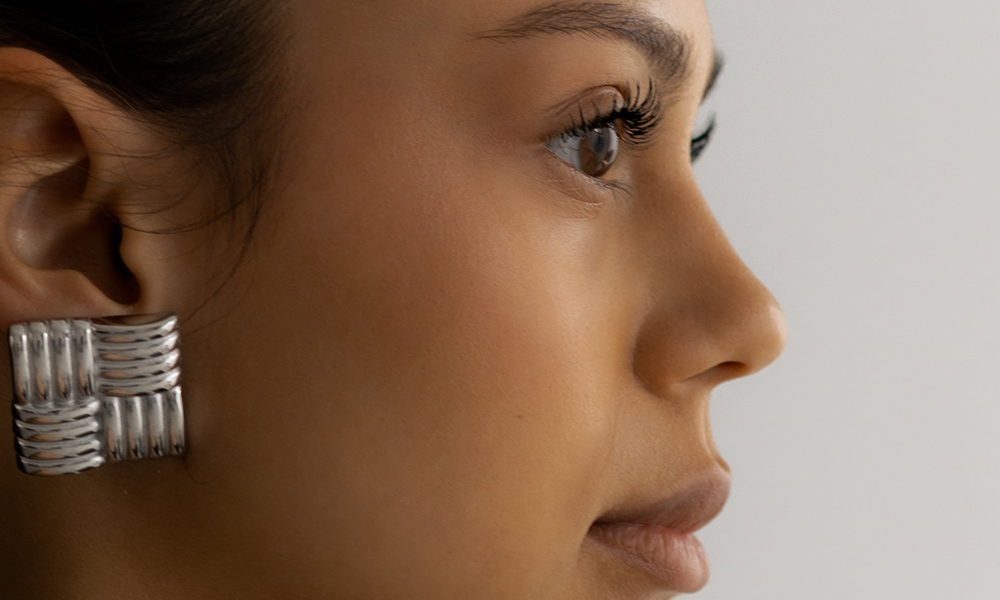
The world of aesthetics is constantly changing. As celebrities become more forthcoming about their procedures and people share doctors and details, the space has never been more open. It drives change in a whole new way. In the case of rhinoplasty trends, things are changing to a similar tune. Injectable rhinoplasty, as opposed to cosmetic rhinoplasty, appears to be on the rise. Natural results, refined lines and softer contours follow the current aesthetic trends and are undoubtedly shaping the process today. Even traditional rhinoplasty offers benefits for those seeking a more complete fit. Below, four experts share how rhinoplasty trends have evolved and what you need to know about today’s popular techniques.
Featured experts
- Robert Singer, MD is a board-certified plastic surgeon in La Jolla, CA
- Chet Mays, MD is a board-certified plastic surgeon in Louisville, KY
- Michael Bassiri-Tehrani, MD is a board-certified facial plastic surgeon in New York
- Raj Dedhia, MD is a board-certified facial plastic surgeon in San Francisco
The rise of natural beauty
Most of today’s beauty trends are fueled by social media, and the evolution of rhinoplasty is no different. Like the natural looks that have become popular in beauty, many patients today are interested in minimal, almost imperceptible changes. “We’re seeing a clear shift toward highly personalized, minimal approaches—such as nose-only or bridge-only procedures—that enhance rather than completely reshape the nose,” says New York facial plastic surgeon Michael Bassiri-Tehran, MD. In fact, La Jolla, CA plastic surgeon Robert Singer, MD, says customization is necessary to achieve the most natural result. “Requesting a celebrity-like nose is common, but usually not ideal. Custom procedures allow for a natural look that best suits your personal facial features,” she says.
Opting for minimal modifications has its advantages. According to Dr. Bassiri-Tehran, using targeted techniques allows for shorter recovery times, fewer breathing complications and results that look incredibly natural. Louisville, KY plastic surgeon Chet Mays, MD adds that non-invasive versions are just as popular, as many patients want immediate results without the downtime. Fillers such as hyaluronic acid are often used in liquid rhinoplasty procedures and can make a quick change to the nose with a 15-minute office injection.
Transparency and Preservation
These two factors have also contributed to the shift in rhinoplasty trends in recent years. Being taboo about procedures becomes a thing of the past. Patients are much more open to sharing details about their procedures, especially when the results are almost undetectable. “The emphasis is on embracing their natural appearance with some enhancements and at the same time owning the fact that they’ve made a change and being completely transparent about it,” says Dr. Bassiri-Tehrani. More than the procedure, San Francisco facial plastic surgeon Raj Dedhia, MD says it’s about a change in mindset. “We’re also seeing a shift toward techniques that preserve the native anatomy rather than taking it apart and rebuilding it while preserving the natural spine and internal support structures,” he says.
The age factor
The average age range for a rhinoplasty procedure varies. “Most of my younger clients come to me stating that their family member had a rhinoplasty and they would like the same treatment,” says Dr. Mace. However, he notes that injectable rhinoplasty treatments follow aesthetic trends. Given this, the boom in injectable cosmetics among younger generations is likely to increase the popularity of the procedure. According to Dr. Bassiri-Tehran, patients in their late 30s to 50s are increasingly interested in rhinoplasty, but for very different reasons than younger patients. “These patients usually like their noses in general, but have noticed minor age-related changes, such as a drooping or more rounded tip,” he says. The process can also be treated with others that are common later in life. For example, Dr. Dedhia reports that a conservative rhinoplasty can restore balance to complement a facelift or blepharoplasty, creating a more youthful but still authentic appearance. Finances also play a role for patients 50 and older. “Sometimes the decision is more about being able, financially, to have the procedure you’ve always wanted,” says Dr. Singer.
What you need to know before getting rhinoplasty
Transparency has been a useful tool in modernizing rhinoplasty. However, it’s important to do your research before diving into a process. “Technological advances have improved precision and safety, allowing for smoother results with less bruising, while a range of techniques and tools ensure the end result is carefully sculpted,” says Dr Dedhia. As you make your decision, consult with your doctor about the best procedure to achieve your desired look. Injectable rhinoplasty is a popular route, but it’s not right for everyone. “This option mainly involves contouring changes. It creates the illusion that a deformity has been corrected and usually lasts nine to 12 months, meaning you’ll need to have another injection around nine months,” says Dr Mays. Fillers also add to the nose, making the folds look bigger, not smaller, notes Dr. Singer. A traditional rhinoplasty offers long-lasting results that can take 12 to 18 months to be seen. Deciding to have a traditional rhinoplasty can be stressful, but finding the right doctor who really takes the time to listen to you and tries to understand your goals can help make the process easier. “As trends continue to evolve, it’s a matter of patient education and being realistic about the approach,” says Dr. Singer.
