


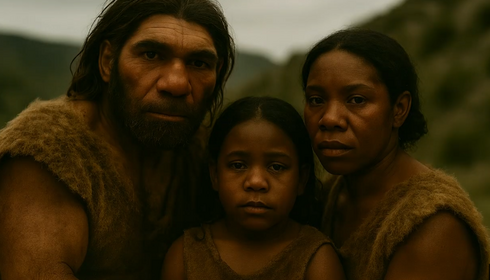
The finding, the skeleton of a five -year -old child who was revealed 90 years ago in the Sefunim cave in Mount Carmel, shows a blend of Neanderthal and Homo Sapiens features, signaling it as the oldest human fossil in the world with such mixed features.
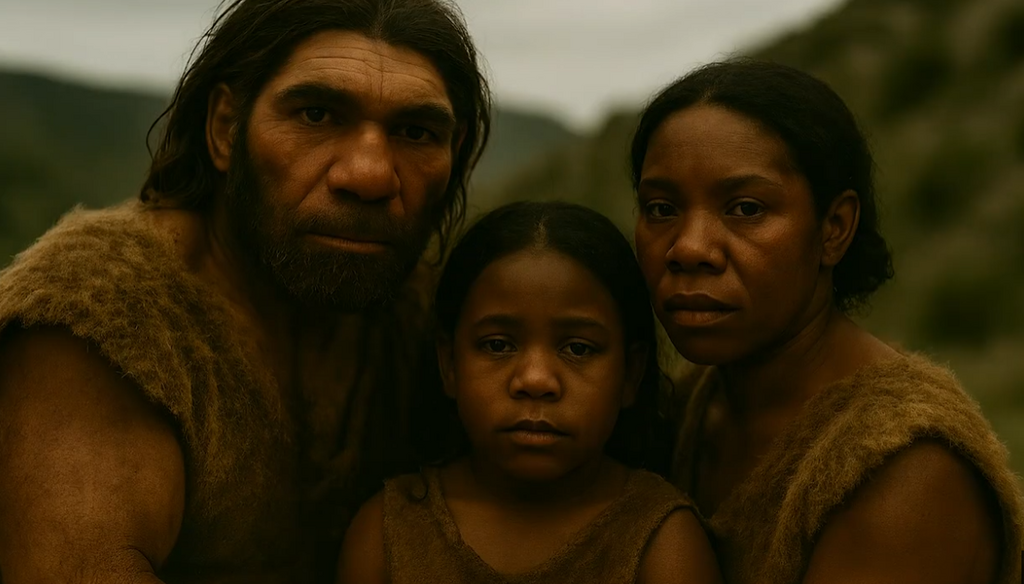
“Genetic studies from the last decade show that these groups exchanged genes, today, 40,000 years after the disappearance of the latest Neanderthals, 2% to 6% of our genome is Neanderthal, but this gene flow happened much later, 60,000 to 40,000 years ago,” said Professor Hershkovitz.
“This fossilized 140,000 -year -old fossil is different. The child’s skull, generally like Homo Sapiens with his curved skull, features a skull blood supply, lower jaw and internal ear structure characteristic of Neanderthals.”
The discovery previously disputes that the Neanderthals, who were considered to have evolved in Europe and arrived in Israel just 70,000 years ago due to the expansion of glaciers, was a separate genealogy.
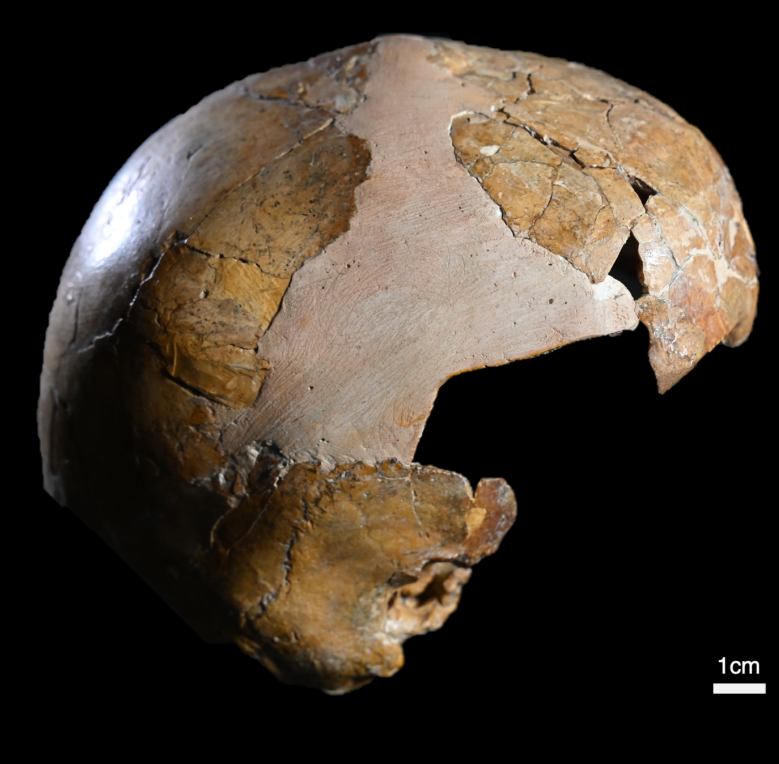
Researchers have previously shown in a scientific study of 2021, led by Professor Hershkovitz, that the first Neanderthals lived in Israel 400,000 years ago, named “Nesher Ramla Homo” by Tel Aviv. These teams faced Homo Sapiens that migrate from Africa about 200,000 years ago and the latest findings suggest that they interact.
Sefunim child provides the first fossilized evidence of social and biological relations between the populations, which have continued for millennia, with local Neanderthals finally merging into Homo Sapiens, reflecting the fate of their European bonds.
The conclusion was followed by advanced tests in the Petrified. The team scanned the skull and jaw using the micro -t at the University of Aviv’s Institute of Anthropology, creating a precise 3D model. This allowed a detailed anatomical analysis, including hidden structures such as the inner ear, compared to human populations.
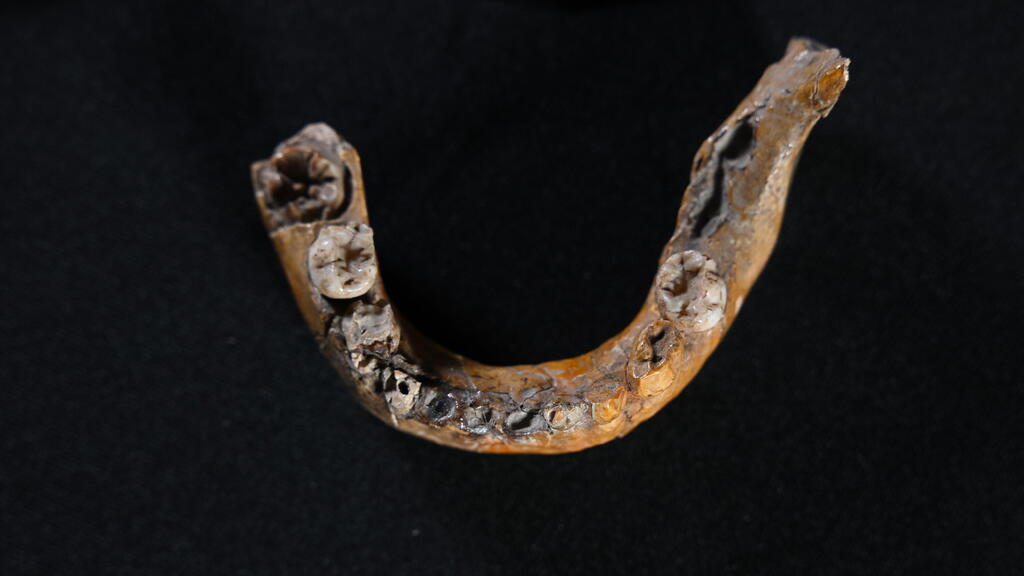
The cranial network of blood vessels in 3D were also rebuilt. “This fossilized is the oldest natural evidence of the mating Neanderthal-Homo Sapiens. In 1998, a children’s skeleton in Portugal, named” Lapedo Child “, showed mixed features, but dated 28,000 years ago-over 100,000 years later by Sefun Hershkovitz.
“Traditionally, fossils from Sefunim and the nearby Tabun Cave near Nazareth have been linked to early homo sapiens, but this study reveals that some Sefunim fossils emerge from the ongoing Neanderthal gene flow in Homo sapiens.”
