


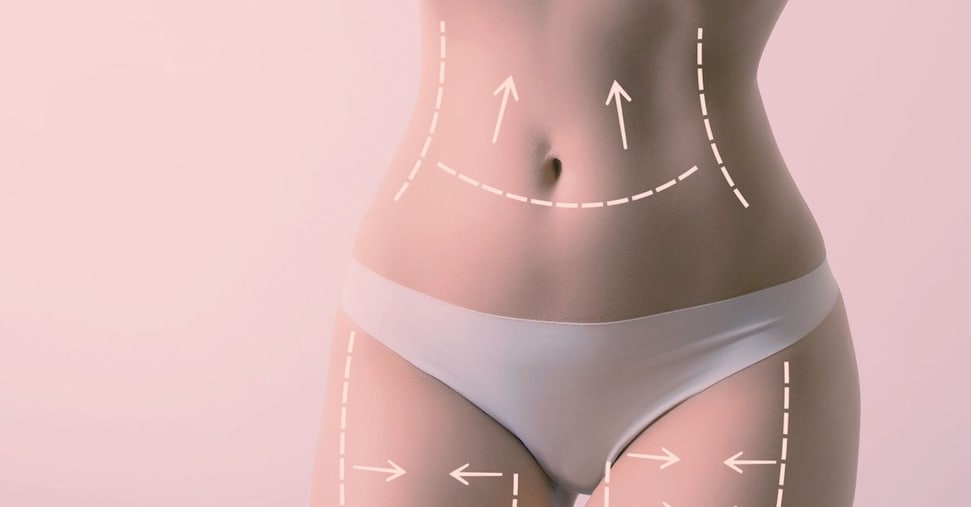
Liposuction is not only one of the most popular procedures in plastic surgery: it is a precision art that in the right hands becomes body sculpting. This is what Dr Paolo Santanchè, an Italian pioneer of the technique, who coined the term liposuction in 1981, remembers. The neologism prevailed until it became the official name. “This procedure remains first and foremost a precision surgical operation, a real ‘sculpting’ of the fat panic”, explains Dr. Santanchè, plastic surgeon in Milan and Turin. “It’s not a simple melting of fat – it’s not butter, it’s a living tissue where we selectively operate on the panniculus adiposus. Liposuction, then called lipoplasty, was born in the late 1970s with the French plastic surgeon Yves G. Illouz and, over the years, has evolved to become a manual of absolute sensitivity and skin control.
Dry liposuction
Liposuction allows the removal of significant amounts of adipose tissue and consequently reduces the silhouette by up to two sizes and is especially indicated for reshaping the shape and line of the body. “Talking about liposuction can mean everything and nothing,” the expert continues, “it just means suctioning fat with a cannula attached to a suction cup, but it’s the surgeon who makes 90% of the difference, like a sculptor using a hammer and chisel. My preferred technique is “dry liposuction”, a technique that allows for maximum removal and avoids bloat. Above all feel what I shape. The very fine cannulas I use, only two millimeters in diameter, are tools that I have personally designed and have become one of the key elements in making the procedure extremely fine and precise.
Immediate results and quick recovery
The results are visible immediately after the operation, at least in 80%, and become permanent within a month. As for post-operative pain, there is a slight pain, which is completely manageable. “However, it is essential to move immediately. Walking from the afternoon of surgery helps circulation and promotes faster recovery,” continues Santanchè. “In the first days I always ask the patient to devote herself to her body, maintaining this routine of light walking. After a week, in most cases, you can return to normal activities. As for lymphatic massage, I do not consider them necessary: if the operation is done correctly and minimally invasive, the recovery occurs naturally. Another point: compression, the same logic used in vascular surgery: two 140 denier tights for other two or three weeks This limit can only work in moderate cases because the recovery capacity is reduced.
