



Whether inspired by social media, celebrity photos, or body ideals, more people are striving for what they consider to be the “perfect” curves. Meanwhile, many choose to travel abroad for cheaper cosmetic procedures, assuming they will get the same results at a lower cost.But what if these margins of safety are narrower than they appear? The mysterious case of NYPD Detective Alicia Stone, who died a week after a butt lift and liposuction procedure in Colombia, reminds us how high the stakes can be when aesthetics intersect with anatomy, technique and human error.

Stone’s death adds to a troubling list of cases linked to cosmetic procedures performed abroad. Behind the promise of quick transformations and sculpted curves lies a medical reality that is far more complicated and, at times, deadly.Understanding how these surgeries work and why they can be fatal offers a sobering perspective on the growing dangers of beauty.
What is a Buttock Lift / Buttock Fat Transfer?
The term “butt lift” can be misleading, unlike a brachioplasty (arm lift) or face lift, buttock fat transfer usually does not just tighten the skin.Instead, the standard procedure used is autologous fat grafting (also known as a ‘Brazilian Butt Lift’ or BBL), where fat is harvested from one area (abdomen, flanks, thighs) via liposuction, cleaned and re-injected into the buttocks for bulking and contouring.Surgeons may combine this with “lifting” or tightening of loose tissue, depending on the quality of the patient’s skin and anatomy.
The hidden dangers of butt augmentation
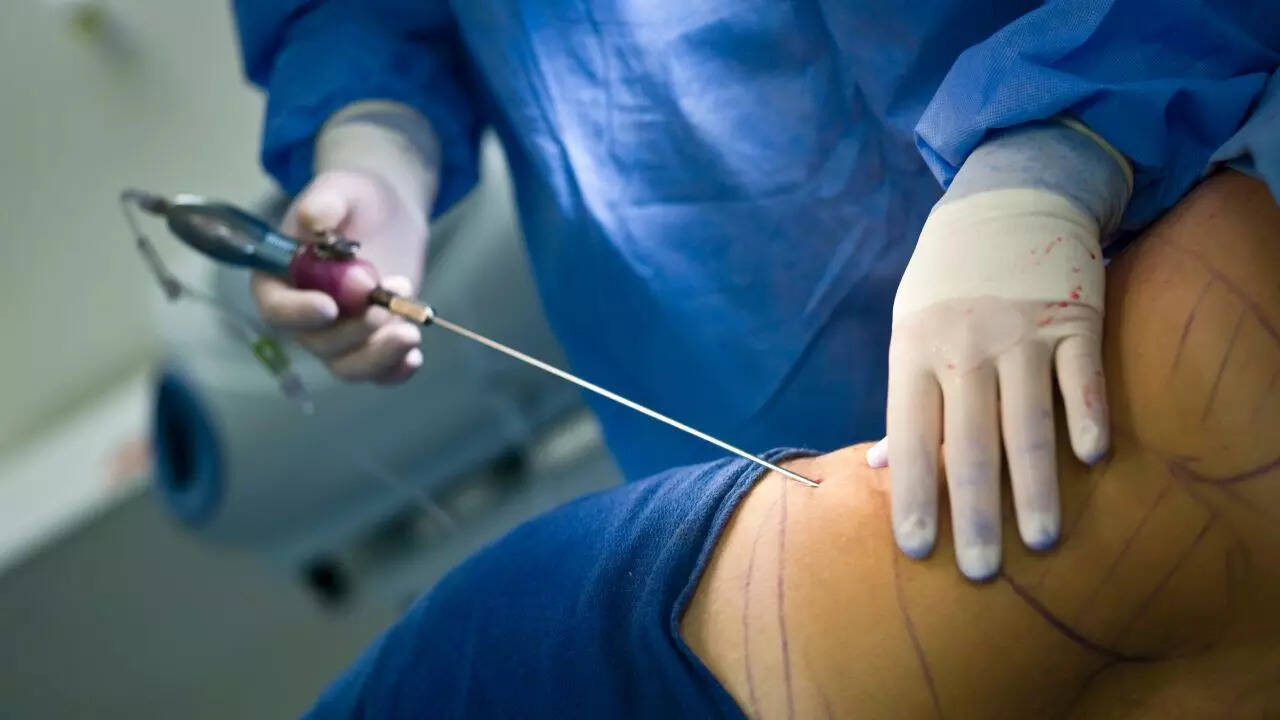
Fat embolism (the deadliest risk)
This is by far the scariest complication. It occurs when fat (or fat-laden fluid) inadvertently enters the bloodstream and lodges in pulmonary vessels (lungs) or even brain vessels, causing a pulmonary fat embolism (PFE).A South Florida study published in Journal of Cosmetic Surgery described how pressure applied to the lower buttocks after fat grafting can force free fat grafts into the submuscular space and from there into injured vessels, causing embolism. The mortal danger led to multiple notifications from surgical companies;.Estimates tell historycase fatality rates in BBL range from approximately 1 in 3,448 (0.03 %) for fat embolism mortality, although reporting and surveillance are imperfect.
Technique and depth errors (intramuscular injection)
When the fat is injected too deep, into the muscle and not just the subcutaneous tissue, the risk of vascular injury and fat entering the circulation skyrockets. Many surgical safety guidelines now insist that fat is placed only at the subcutaneous level, above the gluteal fascia.A security consulting noted that before 2018, surgeons often injected fat under the muscle, a practice now considered dangerous because it can increase the risk of fat embolism through invasive vascular structures.
High Intensity Injection Factors & BMI
The more fat injected, the larger the danger zone. In one review, infusion of more than 1,000 mL per buttock was associated with a 19% (major + minor) complication rate.Also, patients with a higher BMI or more fat stores it can bind more fat, complicating how safe it is to inject.
Surgical & postoperative complications
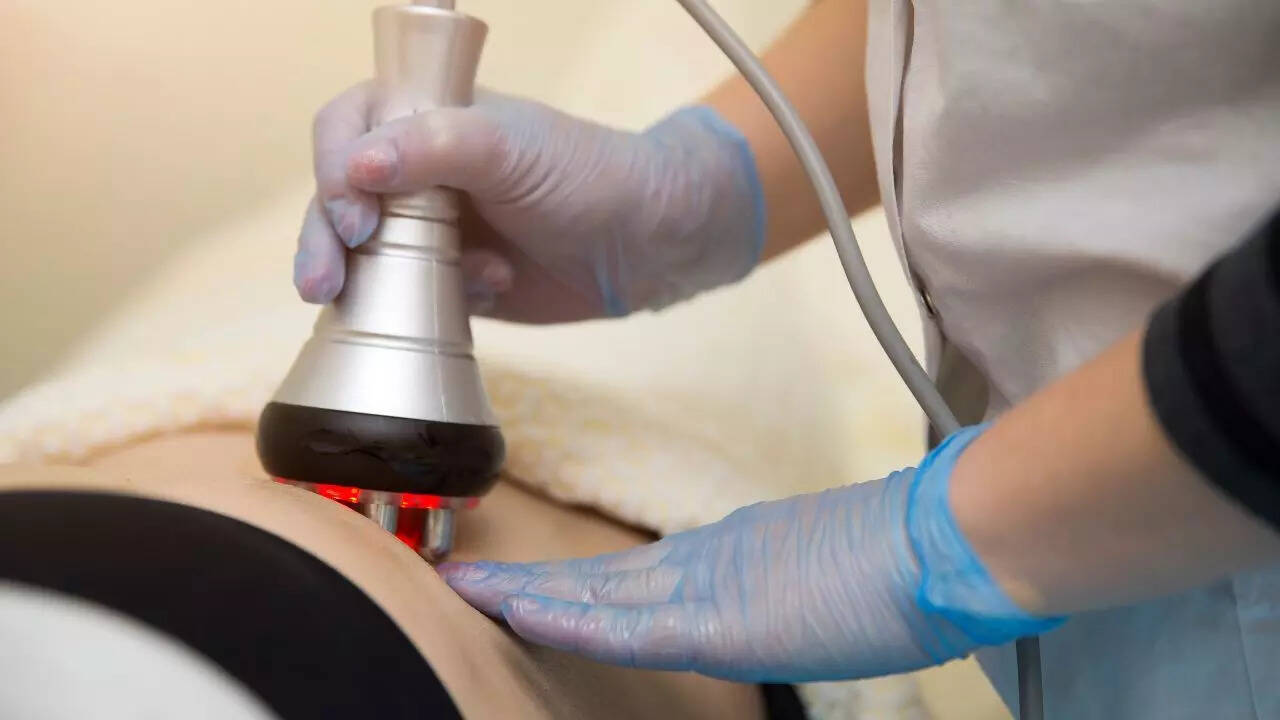
In addition to the risk of embolism, there are many other risks:Infection, sepsis (especially with poor sterility or post-operative care).Fat necrosis (death of fat cells) leading to hard lumps, oil cysts or calcifications.Seromas or hematomas, where fluid or blood collects under the skin.Wound healing problems, skin necrosis (skin death) or scarring.Contour irregularities, asymmetry (after fat absorption or uneven injection).Thromboembolism / DVT / deep vein clots from immobility after surgery.Cardiovascular stress during anesthesia or fluid transfers.A comprehensive review posted on Thiem estimated the complication rate of buttock fat grafting to be approximately 7–10 %, with serious complications in less than 1 %.Buttock lift via gluteal fat transfer can achieve dramatic cosmetic results, but beneath the surface lie significant risks, some of them deadly. The recent and tragic case of Detective Alicia Stone is a chilling reminder that beauty is at risk if technique, supervision or post-operative care fails.Note: The information provided in this article is for educational purposes only and is not intended as medical advice. Always consult a healthcare professional before starting any new medication or treatment.
