


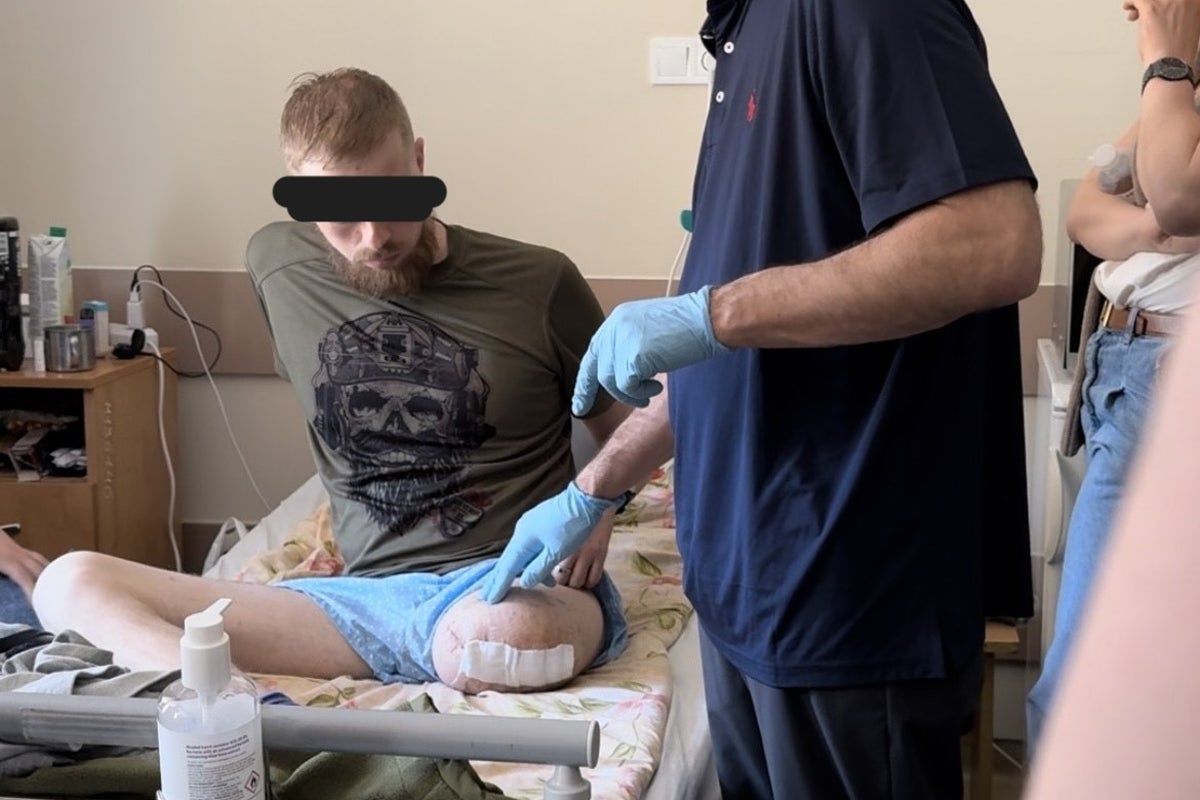
Botox is widely known for erasing wrinkles, but it could also help relieve phantom limb pain in war amputees in Ukraine, researchers have found.
It is estimated that more than 100,000 soldiers and civilians have lost limbs since Russia’s widespread invasion in 2022.
Most amputees experience some degree of stump pain or “phantom limb” pain, where the patient can still feel real pain in the amputated limb.
But a study led by Northwestern Medicine and Ukrainian doctors, which involved 160 amputees treated at two hospitals in western Ukraine between 2022 and 2024, revealed that this pain could be significantly reduced with the use of Botox.
“Our results show that botulinum toxin could potentially be a powerful short-term tool for the treatment of post-amputation pain when used alongside comprehensive medical and surgical care,” said co-author Dr Roman Smolynets, an anesthesiologist and intensive care specialist at the Multidisciplinary Clinical Hospital of Emergency and Intensive Care in Lviv, Ukraine.
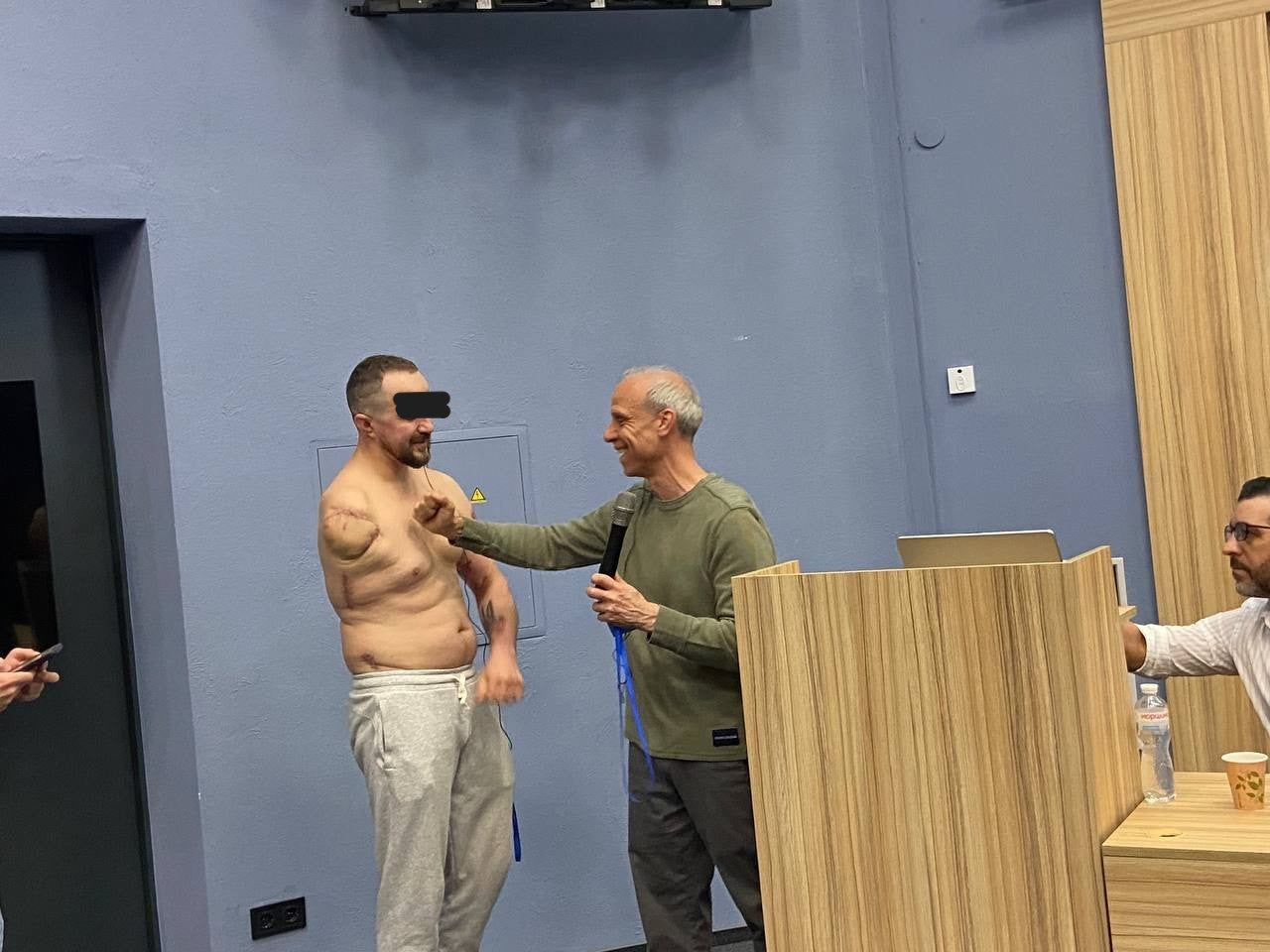
“It could be another step towards helping amputees live with less pain and more dignity. But always as an add-on to integrated medical and surgical care, not as a monotherapy.”
Botox, the brand name for the injectable botulinum toxin drug, is known for its use in cosmetic procedures to freeze muscles by blocking the nerve signals that cause them to contract.
However, it is also used to reduce chronic pain, migraines, and muscle disorders.
In the study, researchers injected botulinum toxin in a new way, injecting it directly around painful nerve endings and surrounding soft tissue, rather than into muscle or skin.
Scientists said this helped calm nerve activity and local inflammation. It could also help relieve other types of nerve pain, such as pain associated with shingles, carpal tunnel syndrome and pain after surgeries such as mastectomy, the researchers suggested.
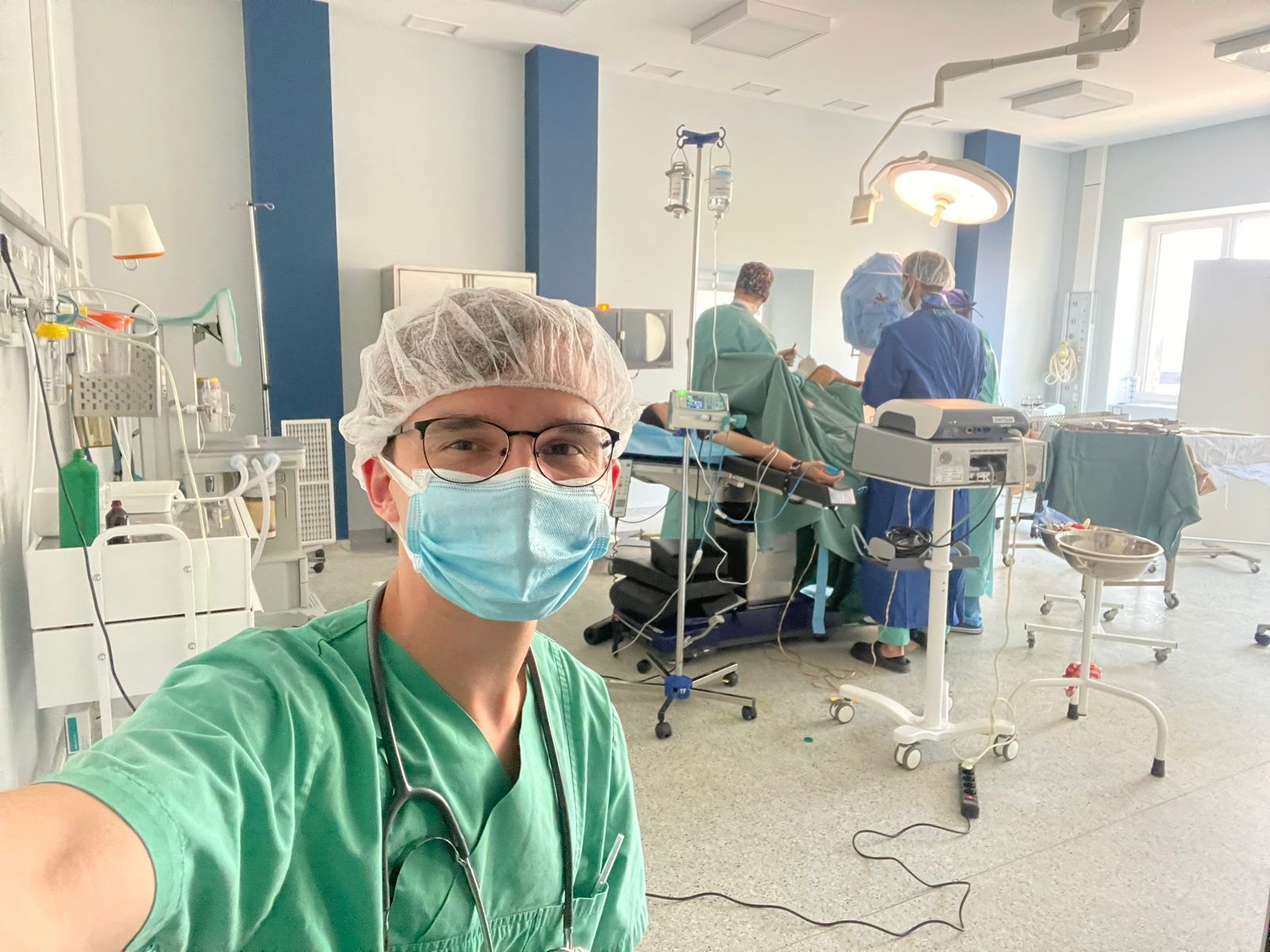
Study participants were amputees treated at the First Medical Association of Lviv or the Ivano-Frankivsk Regional Hospital.
One group of participants received botulinum toxin injections around painful nerve endings, called neuromas, in addition to standard medical and physical therapy.
The other group was given medical and surgical treatment, including nerve blocks, physical and psychological therapy, and medication.
Pain levels were assessed at the start of treatment and after three months on a 10-point scale, taking into account extremity pain and stump pain.
The results showed that after one month, the botulinum toxin group experienced an average reduction of four points in limb pain on a 10-point scale, compared to just one point among patients in the comparison group.
After one month, 69 percent of patients who received botulism toxin saw improvements in phantom limb pain, compared to just 43 percent in the other group on traditional treatments.
But these benefits only last for three months, according to previous research showing that the pain-relieving effects of botulinum toxin usually last about three months.
“As a retired colonel and the father of an infantry soldier who could be deployed to future conflicts and suffered a traumatic brain injury while at the US Military Academy, this research has special personal meaning for me,” said senior study author Dr. Steven Cohen, professor of anesthesiology at Northwestern University Feinberg School of Medicine.
Dr. Cohen and colleagues stressed the need for larger trials to confirm their findings and investigate whether repeated botulinum toxin injections over time could produce lasting benefits for post-amputation pain.
